
Aluminum launder systems connect melting and holding furnaces with filtration units, degassing equipment, and casting machines. For aluminum casthouses and foundries, the right system must match the production layout, metal flow requirements, operating temperature, and required insulation performance. AdTech provides aluminum launder systems for casting applications, with design options for fixed launders, heated transfer channels, working linings, insulation structures, and flow-control components.
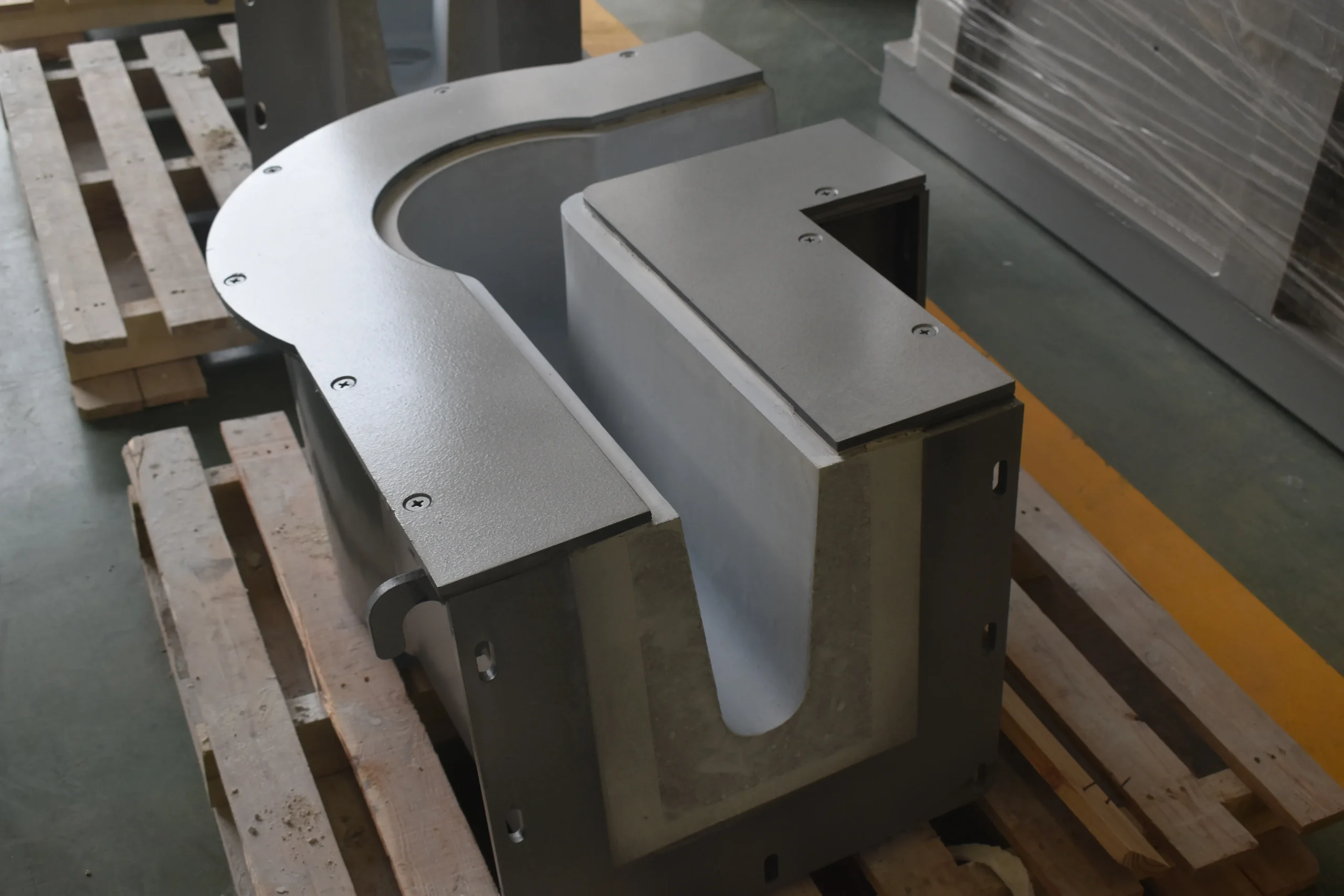
Aluminum Launder Systems for Different Casting Line Requirements
Not every aluminum casting line needs the same launder configuration. A short transfer channel between a holding furnace and a casting machine has different requirements from a longer system connecting multiple stages of melt treatment.
For equipment buyers, the starting point should be the layout and operating conditions of the complete transfer route. The launder must accommodate the required metal throughput while maintaining suitable thermal conditions and providing reliable connections to the equipment at either end.
Common configurations include:
| Launder system type | Typical application | Main design consideration |
|---|---|---|
| Fixed aluminum launder | Permanent transfer between a furnace and casting equipment | Channel dimensions, support structure, and installation geometry |
| Insulated launder | Transfer routes where heat loss must be controlled | Insulation material, thickness, and operating temperature |
| Heated launder | Processes requiring additional temperature control | Heating arrangement, temperature monitoring, and energy supply |
| Integrated launder system | Casting lines incorporating filtration or other treatment equipment | Equipment interfaces, flow path, and process sequence |
| Launder with flow-control components | Applications requiring controlled metal delivery | Flow regulation, launder dam design, and operating conditions |
These configurations can be adapted to the production line rather than selected as isolated pieces of equipment. A system incorporating a filter box, for example, requires suitable connections and a flow arrangement that supports stable operation through the filtration stage.
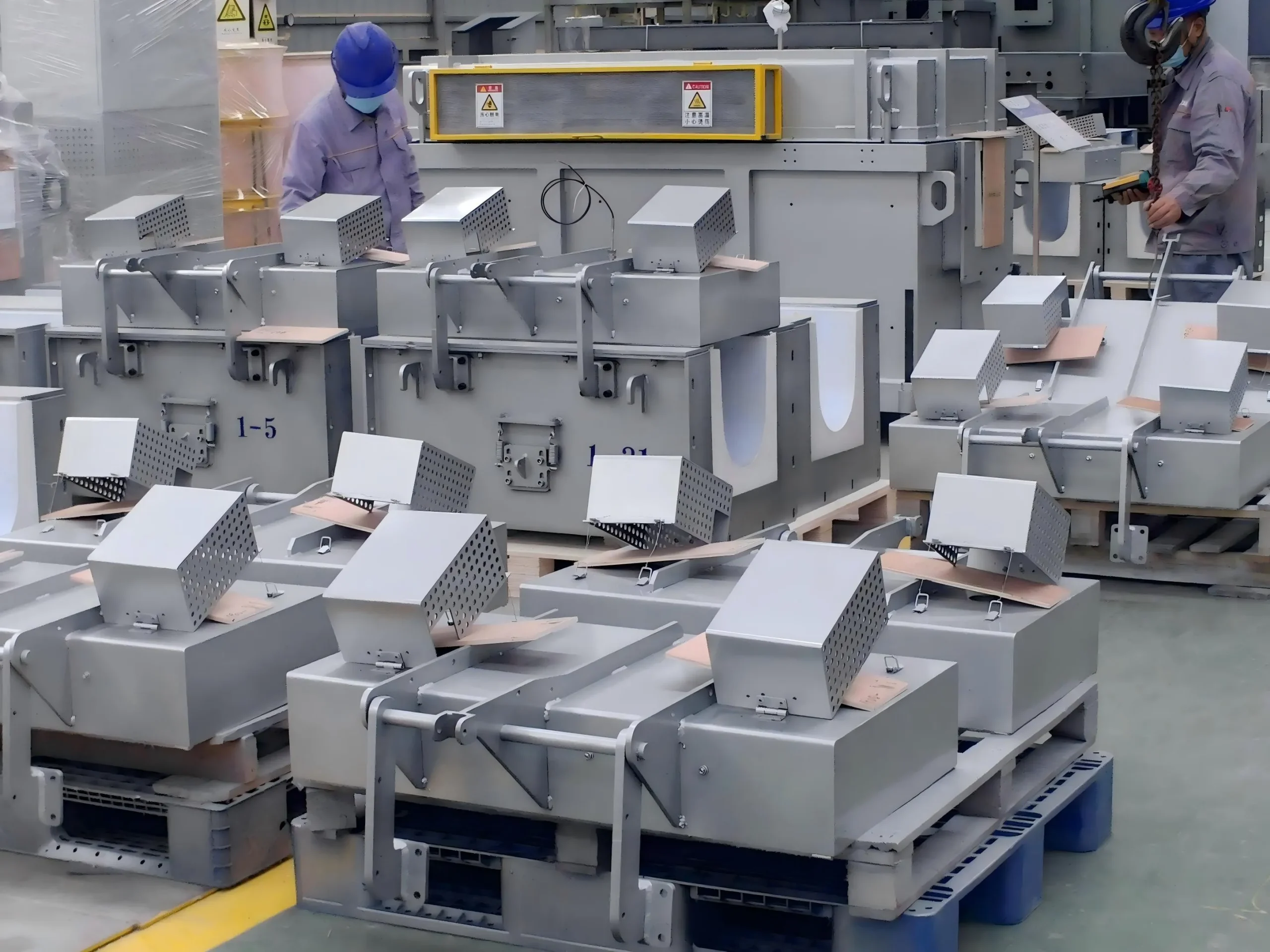
What Should Be Customized in an Aluminum Launder System?
Custom aluminum launders are generally designed around the physical layout of the plant and the operating requirements of the molten aluminum. Dimensions alone are not enough to define the specification.
The design may need to account for the transfer distance, channel cross-section, changes in direction, furnace outlet height, receiving equipment position, and available installation space. For retrofit projects, existing steel structures and connection points can also limit the available design options.
Important customization parameters include:
| المواصفات | Information to establish before design |
|---|---|
| أبعاد الغسالة | Length, width, depth, and cross-section |
| Transfer route | Straight sections, bends, branches, and connection points |
| Metal handling requirements | Alloy, operating temperature, and required throughput |
| Installation geometry | Furnace outlet, equipment elevations, and support conditions |
| Working lining | Required resistance to aluminum adhesion and penetration |
| Insulation structure | Operating temperature and heat-loss requirements |
| Heating arrangement | Whether supplementary heating is required and which method is suitable |
| Flow-control components | Required control range and operating method |
For new casting lines, these parameters should be coordinated with the furnace, degassing equipment, filtration unit, and casting machine. For existing installations, accurate measurements and photographs of the current setup can help identify whether a replacement can follow the original layout or needs a revised configuration.
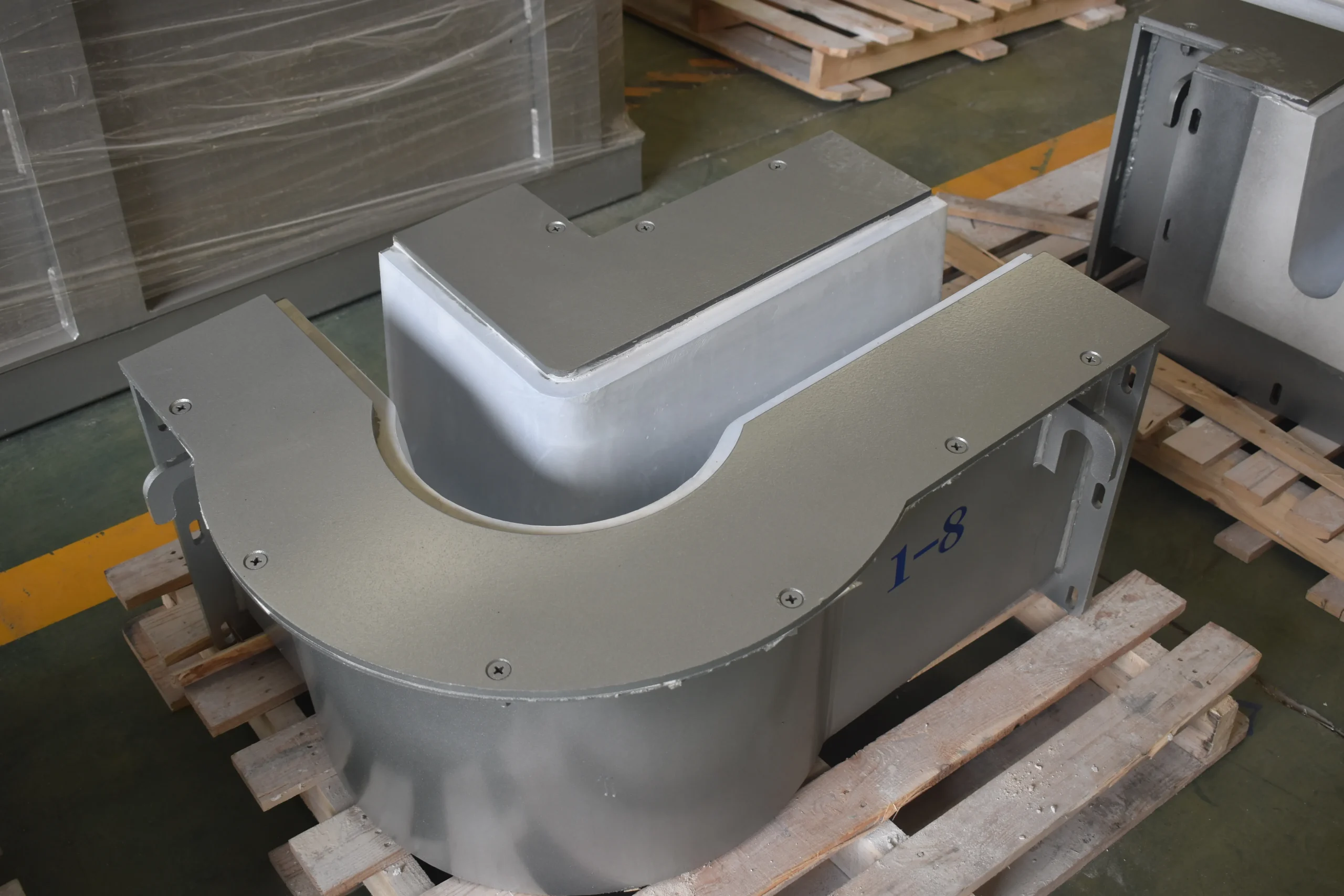
Heated vs. Insulated Aluminum Launder Systems
Supplementary heating is not necessary for every launder. The decision depends on transfer distance, metal temperature, production interruptions, surrounding conditions, and the permitted temperature variation before casting.
Insulation slows heat loss, but it does not generate heat. A heated system may be appropriate where passive heat retention alone cannot maintain the required process temperature.
Depending on the equipment design, heating options may include electric heating or gas-fired arrangements.
| Design approach | When it may be suitable | Key consideration |
|---|---|---|
| Insulation without supplementary heating | Shorter transfer routes with manageable heat loss | Transfer time and initial metal temperature |
| Electrically heated launder | Applications requiring controlled supplementary heating | Power availability, heat distribution, and temperature control |
| Gas-fired heated launder | Installations suited to combustion-based heating | Burner arrangement, fuel supply, and temperature uniformity |
The choice should be based on the actual thermal requirements of the line rather than on heating capacity alone. Overly complex heating arrangements add equipment and maintenance requirements, while insufficient thermal control can interfere with stable casting conditions.
How Should a Launder Be Integrated with Degassing and Filtration Equipment?
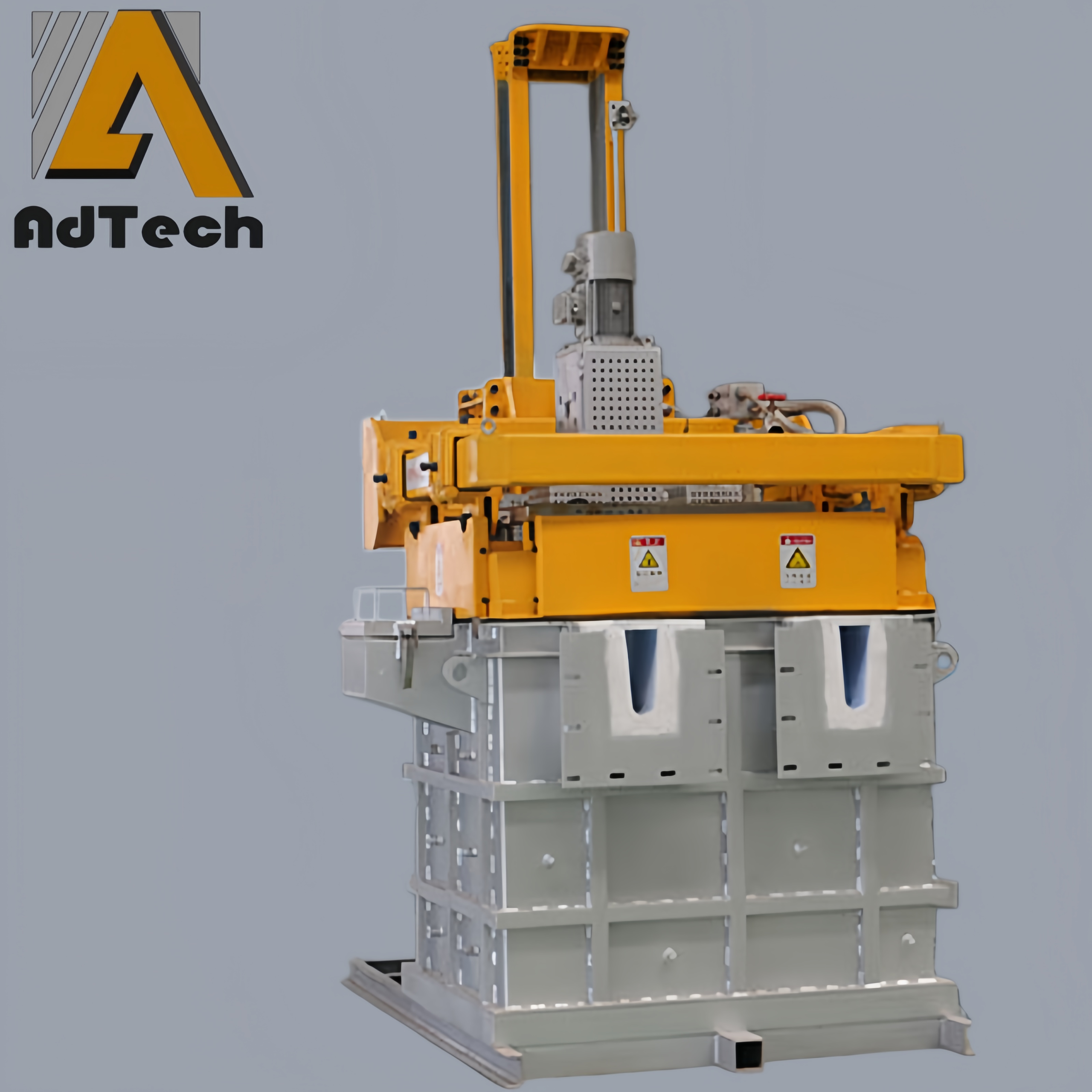
In many aluminum casthouses, the launder forms part of a larger molten metal treatment route. It may connect a holding furnace to a rotary degassing unit, a ceramic foam filter box, or a casting machine.
The transfer arrangement matters because the metal must reach each process stage under suitable operating conditions. Poorly coordinated connections can create installation difficulties, unnecessary changes in flow direction, or areas where metal movement becomes difficult to control.
A typical arrangement might follow this sequence:
Holding furnace → launder → rotary degassing → filter box → casting machine
The actual sequence depends on the plant layout and process design. The supplier and plant engineering team should confirm equipment elevations, connection dimensions, flow requirements, maintenance access, and any heating or control interfaces before finalizing the arrangement.
For lines that require both hydrogen removal and solid inclusion control, the launder should be designed as part of the overall melt-treatment system. It transports the metal between processes; it does not replace degassing or filtration.
How to Evaluate an Aluminum Launder Manufacturer
For a custom industrial equipment purchase, the lowest initial price does not necessarily represent the best value. Differences in material specification, heating scope, support structures, accessories, and engineering work can make two quotations difficult to compare.
A reliable supplier should be able to clarify the proposed configuration, identify technical assumptions, and explain which components are included in the supply.
Before selecting an aluminum launder manufacturer, compare the following:
- Engineering capability: Can the supplier work from equipment drawings, plant layouts, or measured installation dimensions?
- Material specification: Are the working lining and insulation clearly identified and suited to the stated operating conditions?
- Configuration options: Can the design accommodate the required heating arrangement, flow-control components, and equipment connections?
- Installation compatibility: Are mounting conditions, connection points, and maintenance access addressed?
- Scope of supply: Are the shell, lining, insulation, heating equipment, controls, and accessories clearly listed?
- Technical documentation: Are drawings and relevant specifications available for review before manufacture?
These checks are particularly important for replacement projects. A launder that fits the available space but does not match the required flow or thermal conditions may require expensive modifications after delivery.
These checks are particularly important for replacement projects. A launder that fits the available space but does not match the required flow أو thermal conditions may require expensive modifications after delivery. تقنيات الإعلانات can customize aluminum launder systems to match existing plant layouts, metal flow requirements, insulation needs, and heating configurations, helping customers achieve a smoother equipment replacement أو upgrade.
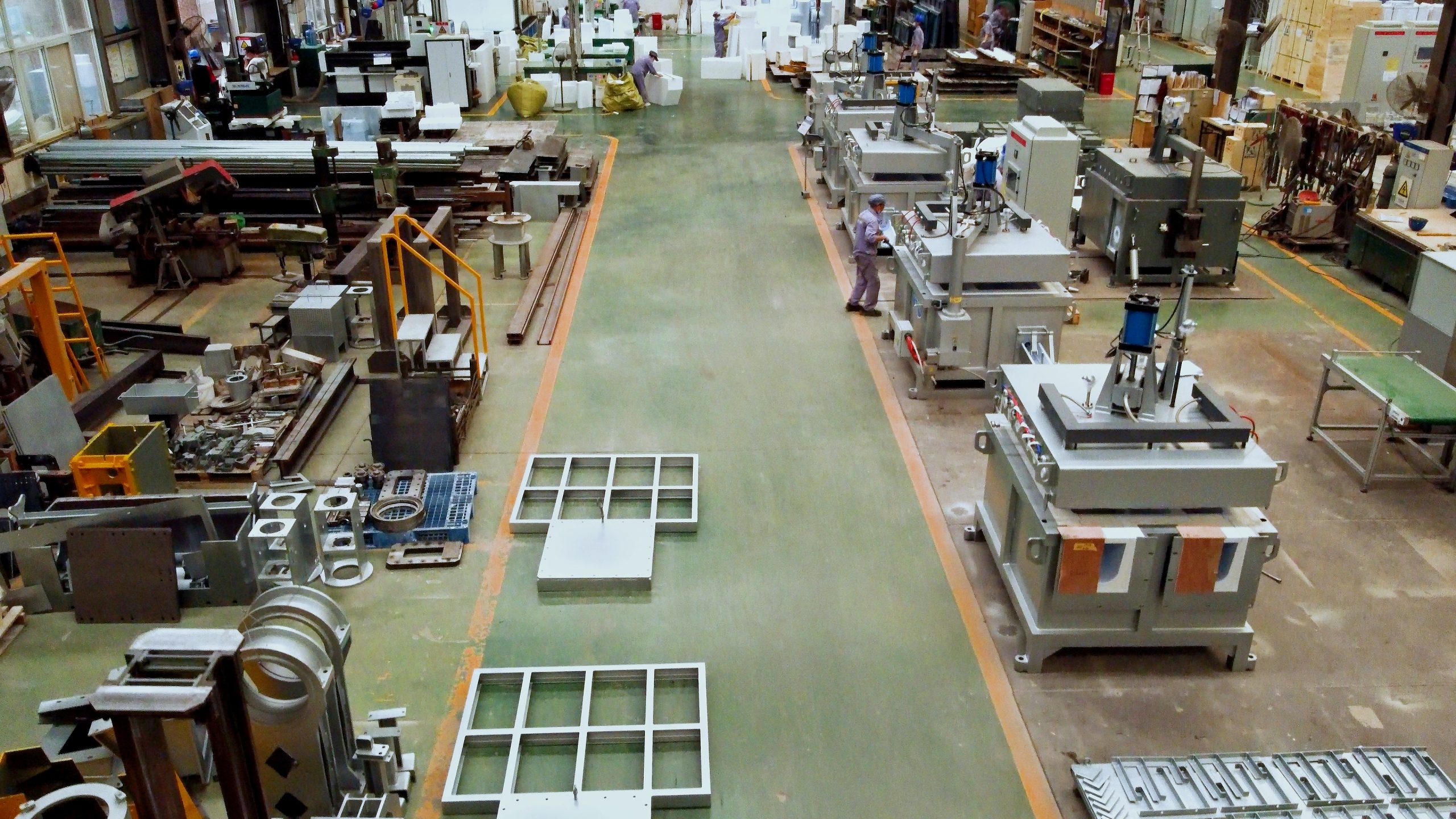
Aluminum Launder Systems for New Installations and Upgrades
New casting lines and existing plant upgrades present different design challenges. A new installation allows the launder route and surrounding equipment to be coordinated from the beginning. A retrofit must account for existing furnace outlets, support structures, equipment positions, and any restrictions on installation access.
For either type of project, the most useful starting information is the current or proposed plant layout, required metal throughput, transfer distance, operating temperature, and heating preference. Existing launder drawings or photographs can also help establish the dimensions and connections that need to be preserved.
AdTech’s aluminum launder system solutions can be considered for projects requiring molten metal transfer equipment, insulation structures, heating options, and integration with casting-line equipment.
The final specification should reflect the actual plant conditions, not a generic standard arrangement. Matching the launder geometry, lining, insulation, and heating configuration to the production process helps create a system that is easier to integrate, operate, and maintain.
الأسئلة الشائعة
1. What is an aluminum launder system used for?
An aluminum launder system transfers molten aluminum between furnaces, degassing equipment, filter boxes, and casting machines.
2. Can aluminum launder systems be customized?
Yes. AdTech can customize launder dimensions, layouts, lining materials, insulation structures, heating arrangements, and equipment connections to suit specific casting lines.
3. What information is needed to select an aluminum launder system?
Key details include metal flow rate, transfer distance, operating temperature, equipment layout, heating requirements, and installation dimensions.
4. Should an aluminum launder be heated or insulated?
Insulation reduces heat loss, while supplementary heating provides additional temperature control. The appropriate configuration depends on transfer distance, operating conditions, and required metal temperature.
5. What materials are used for aluminum launder linings?
Working linings may use fused-quartz-based or other suitable refractory materials designed to resist molten aluminum adhesion, penetration, and thermal cycling.
6. Can an aluminum launder connect to a degassing unit and filter box?
Yes. A launder system can be designed to integrate with rotary degassing equipment, ceramic foam filter boxes, and casting machines, subject to the production line layout.
7. What affects the price of a custom aluminum launder system?
The main factors include dimensions, structural design, lining and insulation materials, heating equipment, flow-control components, and installation requirements.
8. Can AdTech manufacture replacement launders for existing casting lines?
Yes. Existing equipment drawings, measurements, and installation photographs can help AdTech configure replacement launders to match the available space and connection points.
9. How can launder design affect aluminum casting quality?
Inadequate temperature control can disrupt casting conditions, while excessive turbulence may promote oxide formation. Appropriate channel geometry and thermal design help support stable metal transfer.
10. How do I choose an aluminum launder system manufacturer?
Evaluate the manufacturer’s customization capabilities, material specifications, heating options, equipment integration experience, technical documentation, and ability to meet your plant’s installation requirements.

مهندس عمليات أول متخصص في تنقية معدن الألومنيوم المنصهر وتحسين العمليات.
تركز على تقنيات صب الألومنيوم، ومعالجة المعادن المنصهرة، وحلول تحسين الجودة، وتقدم رؤى عملية حول تحسين أداء الصب وكفاءة الإنتاج.