
Reflexiones sobre las conexiones con el sector y las oportunidades futuras
La última jornada de Aluminum China 2026 puso el broche de oro a la feria. Durante los últimos días, AdTech ha tenido la oportunidad de establecer contactos con productores de aluminio, profesionales del sector y expertos técnicos de diferentes mercados.
A través de las conversaciones presenciales mantenidas en la feria, se hizo cada vez más evidente una tendencia: el sector del aluminio está avanzando hacia unos requisitos más exigentes en cuanto a la pureza del metal, la estabilidad de la fundición y la eficiencia productiva.
A medida que las aplicaciones del aluminio siguen ampliándose en los sectores de la automoción, las energías renovables, la electrónica y la fabricación avanzada, el control de la calidad del aluminio fundido se ha convertido en un factor fundamental para garantizar un rendimiento constante del producto.
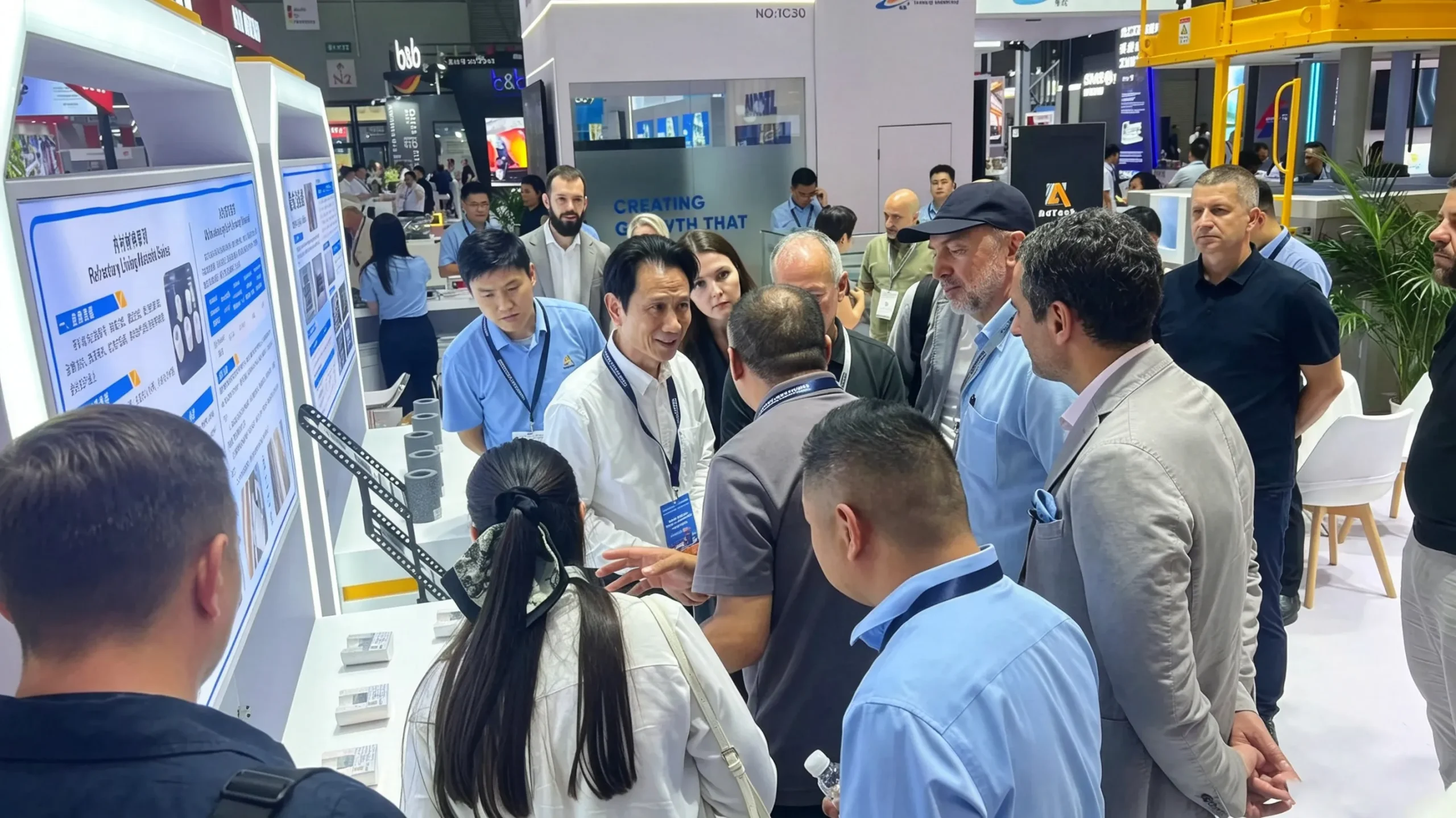
El éxito de la feria refleja la creciente demanda de soluciones avanzadas de aluminio
La feria «Aluminum China 2026» atrajo a profesionales de toda la cadena de valor del aluminio, entre ellos productores de aluminio, especialistas en fundición, proveedores de equipos y empresas de tecnología de materiales.
Durante la última jornada de la feria, el stand de AdTech siguió recibiendo visitantes interesados en soluciones para:
- purificación del aluminio fundido
- control de inclusión
- reducción con hidrógeno
- estabilidad de vertido
- eficiencia de filtración
Muchos debates del sector se centraron en un reto común:
¿Cómo pueden los productores de aluminio obtener un metal más limpio sin dejar de mantener una producción estable y eficiente?
Esta cuestión está cobrando cada vez más importancia, ya que los clientes exigen productos de aluminio de mayor calidad, con menos defectos y una mayor uniformidad.
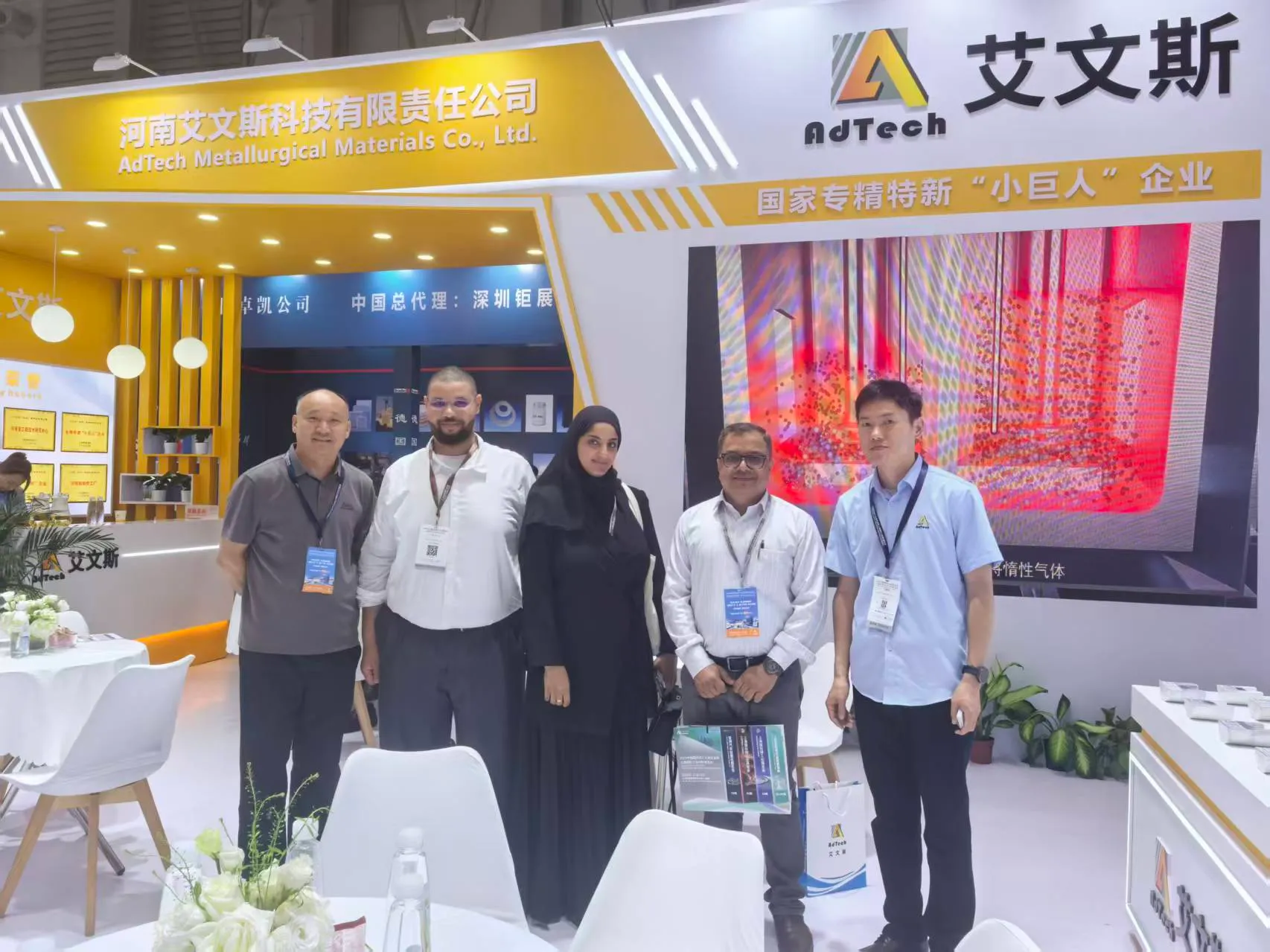
Interesantes debates con profesionales del sector del aluminio
Uno de los aspectos más valiosos de Aluminum China 2026 fue la oportunidad de comunicarnos directamente con los clientes y los socios del sector.
Los distintos productores de aluminio se enfrentan a diferentes retos de producción en función de:
- tipo de aleación
- proceso de fundición
- requisitos del producto
- capacidad de producción
- configuración actual del equipo
Durante estos debates, los visitantes expresaron sus preocupaciones prácticas en relación con:
- control de las inclusiones de óxido
- rendimiento de filtración
- gestión del hidrógeno
- durabilidad refractaria
- optimización de los equipos
Estas conversaciones aportaron información valiosa sobre los retos reales a los que se enfrentan las operaciones modernas de fundición de aluminio.
Para los proveedores de tecnología, comprender las condiciones reales de producción es fundamental para desarrollar soluciones que aporten mejoras cuantificables.
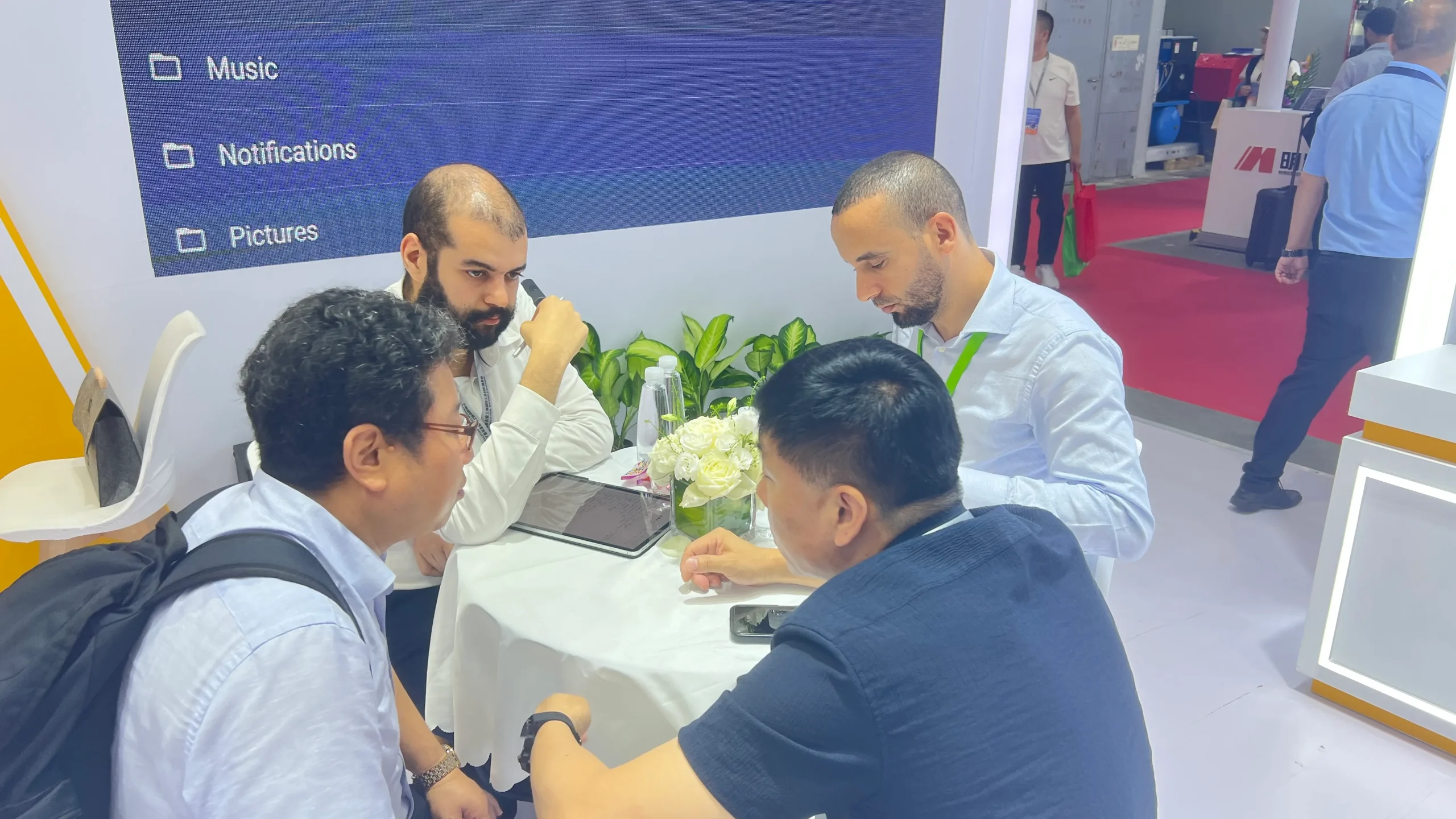
La obtención de una calidad del metal más pura se está convirtiendo en un aspecto fundamental en la fundición de aluminio
Una de las tendencias más marcadas observadas en Aluminum China 2026 fue la creciente importancia de la calidad del aluminio fundido.
En los procesos modernos de fundición, incluso pequeñas cantidades de:
- películas de óxido
- partículas de escoria
- contaminación refractaria
- hidrógeno disuelto
puede afectar a la calidad del producto final.
Estos problemas pueden dar lugar a:
| Problema | Posibles repercusiones |
|---|---|
| Inclusiones de óxido | Defectos superficiales y problemas de extrusión |
| Contenido de hidrógeno | Porosidad y defectos internos |
| Contaminación por escoria | Propiedades mecánicas reducidas |
| Flujo inestable | Incoherencia en la distribución de los roles |
Por lo tanto, los productores de aluminio están adoptando cada vez más estrategias integradas de tratamiento de la masa fundida, en lugar de basarse en una única etapa de purificación.
El futuro del tratamiento del aluminio fundido: filtración, desgasificación y control de procesos
El futuro de la fundición de aluminio dependerá de un mejor control de todo el proceso relacionado con el metal fundido.
Tres tecnologías seguirán desempeñando un papel importante:
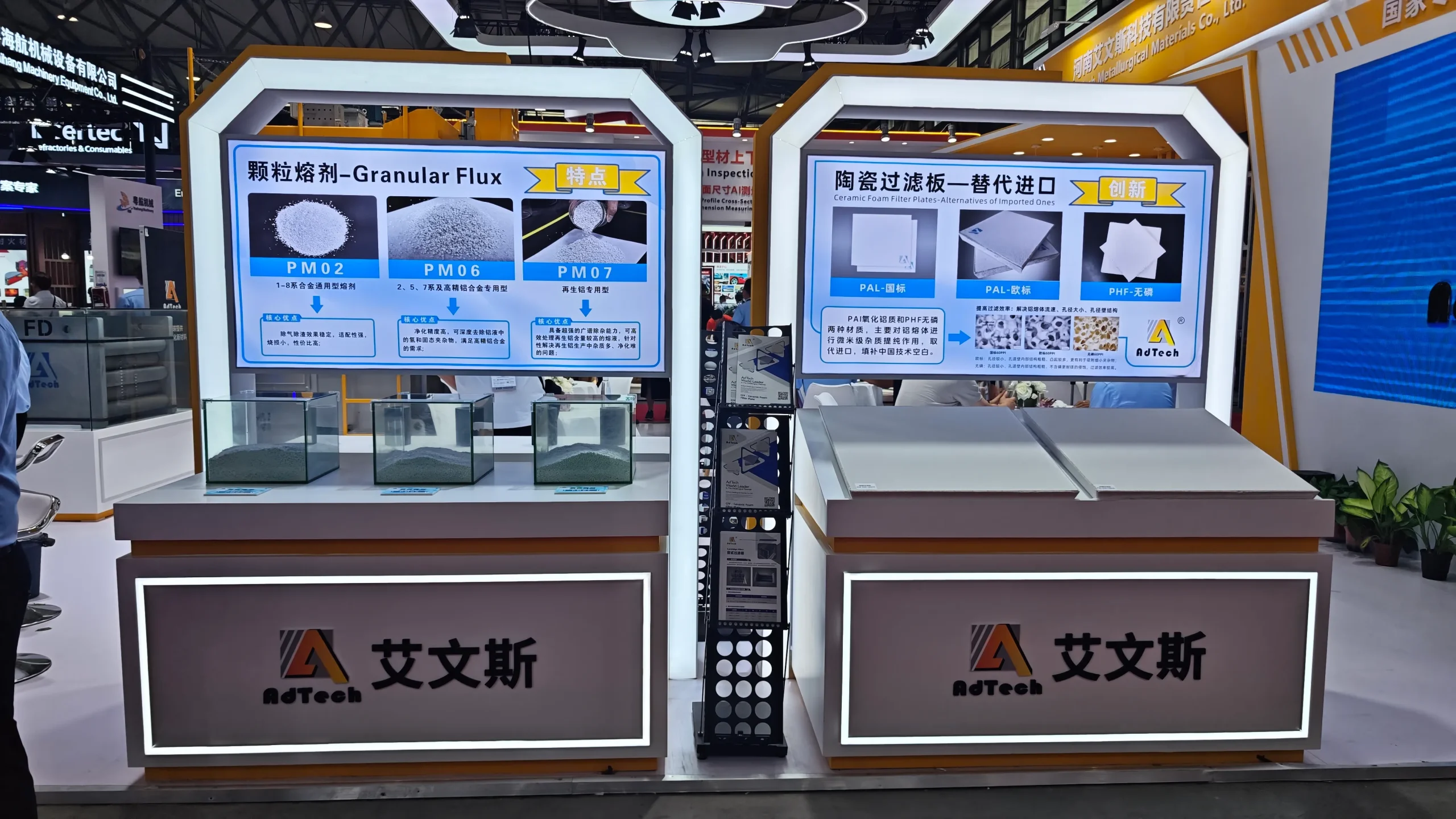
1. Tecnología avanzada de filtración
La filtración con espuma cerámica sigue siendo uno de los métodos más utilizados para eliminar las inclusiones no metálicas del aluminio fundido.
Sin embargo, el rendimiento de la filtración no depende únicamente de la porosidad del filtro.
Entre los factores se incluyen:
- Selección del PPI
- estructura del filtro
- rendimiento de sellado
- Compatibilidad de la caja de filtro
Todos ellos influyen en los resultados finales.
Un sistema de filtración bien diseñado ayuda a los productores de aluminio a obtener un metal más limpio y una calidad de fundición más estable.
2. Control eficiente del hidrógeno
La filtración puede eliminar las impurezas sólidas, pero no el hidrógeno disuelto.
En las aplicaciones que requieren lingotes, planchas y materiales de extrusión de alta calidad, la desgasificación en línea se ha convertido en una parte esencial del tratamiento del aluminio fundido.
Los sistemas de desgasificación rotativos contribuyen a reducir el contenido de hidrógeno mediante la introducción de finas burbujas de gas inerte en el aluminio fundido, lo que mejora la pureza del metal antes de la fundición.
3. Transferencia estable de metales
El mantenimiento de la limpieza del aluminio no termina tras la filtración y la desgasificación.
Durante la transferencia, una turbulencia excesiva puede generar nuevas capas de óxido.
Por lo tanto, se ha optimizado:
- canales de colada
- componentes refractarios
- sistemas de control de caudal
son cada vez más importantes para mantener la calidad del metal a lo largo de todo el proceso de fundición.
Fomentar la cooperación a largo plazo mediante la comunicación en el sector
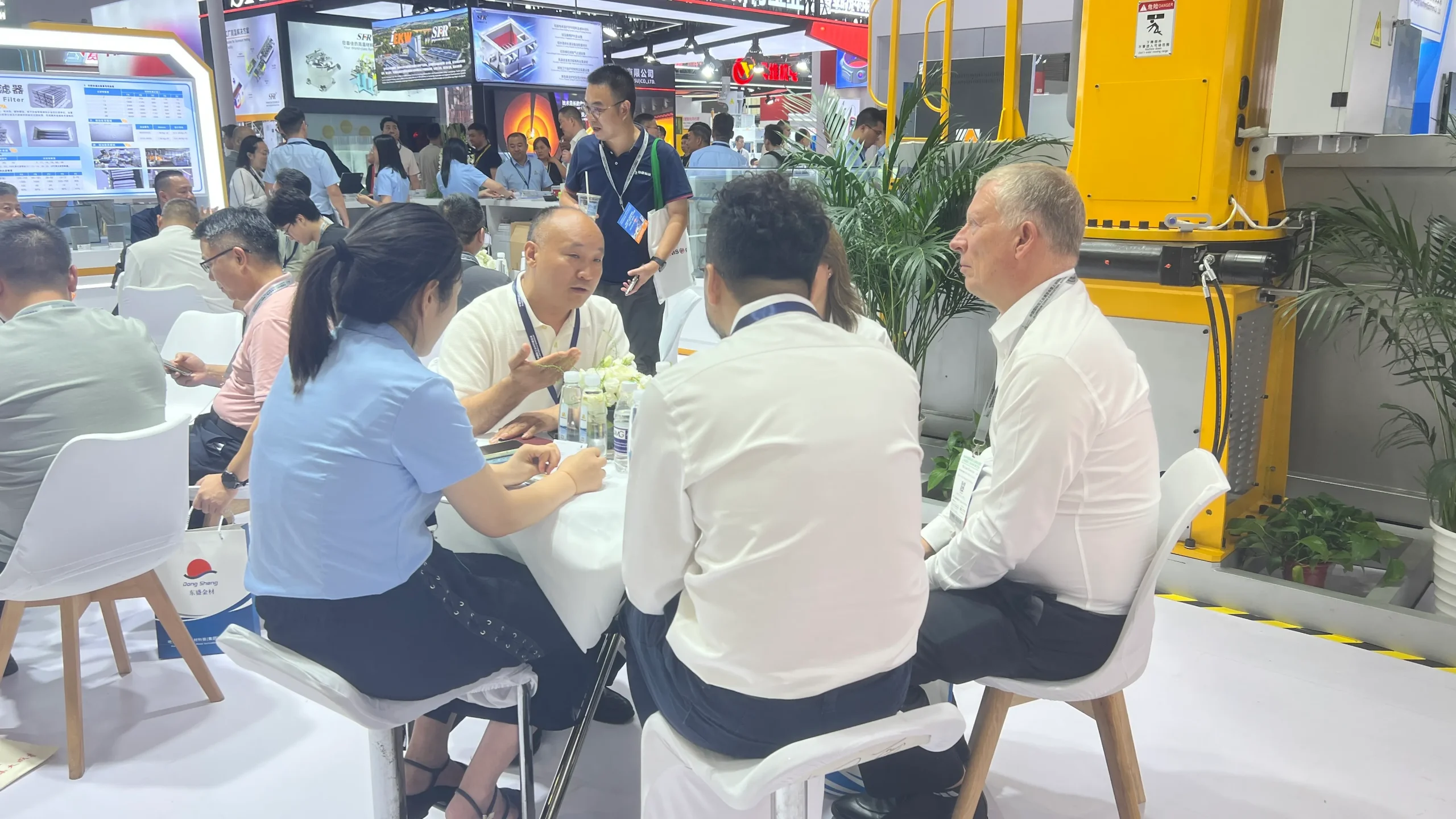
Las ferias no solo son plataformas para la presentación de productos, sino también oportunidades para establecer una colaboración más estrecha con los socios del sector.
Los debates celebrados en Aluminum China 2026 pusieron de relieve un aspecto importante:
Cada línea de producción de aluminio tiene unos requisitos específicos.
Las soluciones eficaces requieren una combinación de:
- conocimientos técnicos
- experiencia en procesos
- recomendaciones personalizadas
- apoyo constante
En AdTech, seguimos colaborando con los productores de aluminio para ofrecer soluciones de purificación, filtración y desgasificación del aluminio fundido, así como de optimización de la fundición.
Perspectivas tras la feria «Aluminium China 2026»
Al concluir la feria «Aluminum China 2026», esta ha puesto de relieve la orientación futura de la industria del aluminio:
- aluminio fundido más limpio
- procesos de fundición más fiables
- mayor eficiencia en la producción
- soluciones técnicas a medida
Ante la creciente demanda de productos de aluminio de alta calidad, las tecnologías de tratamiento de la masa fundida seguirán desempeñando un papel importante a la hora de ayudar a los fabricantes a reducir los defectos y mejorar su competitividad.
AdTech seguirá centrándose en soluciones avanzadas para el tratamiento del aluminio fundido y en ayudar a los productores de aluminio de todo el mundo a lograr operaciones de fundición más estables y eficientes.
Explora nuestra página web oficial
Acerca de AdTech
AdTech se especializa en soluciones para el tratamiento del aluminio fundido y suministra filtros de espuma cerámica, sistemas de desgasificación, componentes refractarios moldeados y tecnologías relacionadas a los productores de aluminio de todo el mundo.
A través de la innovación continua y la cooperación técnica, AdTech tiene como objetivo contribuir a una producción de metales más limpia y a una fundición de aluminio de mayor calidad.

Ingeniero de procesos sénior especializado en la purificación del aluminio fundido y la optimización de procesos.
Centrado en las tecnologías de fundición de aluminio, el tratamiento del metal fundido y las soluciones para la mejora de la calidad, compartiendo conocimientos prácticos sobre cómo mejorar el rendimiento de la fundición y la eficiencia de la producción.