
Обзор продукта
Molten Aluminum Transition Plate is a circular refractory component used in aluminum hot-top casting systems and direct chill (DC) casting applications. Installed between the molten aluminum distribution area and the mold assembly, it helps create a stable transition zone for metal feeding, improve aluminum flow consistency, and maintain reliable casting conditions.
During continuous aluminum billet casting, molten aluminum must enter the mold with controlled flow and stable temperature distribution. A properly designed transition plate helps reduce flow disturbance, support uniform solidification, and improve the surface quality and consistency of aluminum billets.
Manufactured from high-performance refractory materials, aluminum transition plates are designed to withstand continuous exposure to molten aluminum, thermal cycling, and demanding casting environments.
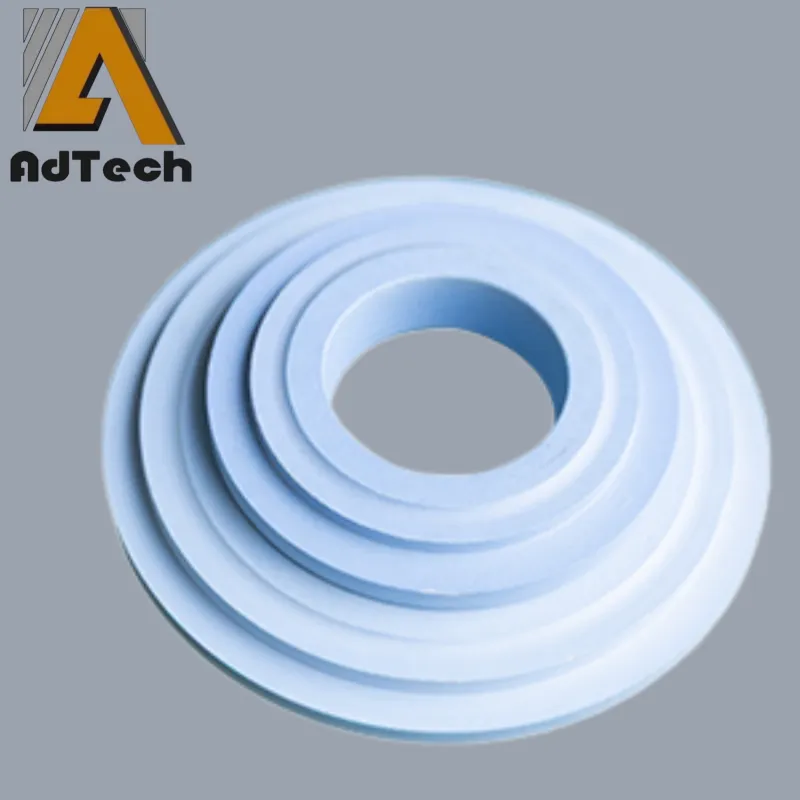
Why Is a Transition Plate Used in Aluminum Casting?
In a hot-top casting system, molten aluminum passes through multiple components before entering the mold. Any instability in this area may affect:
- Metal flow distribution
- Temperature uniformity
- Solidification behavior
- Billet surface quality
- Стабильность литья
The transition plate provides a controlled connection between casting components, helping the molten aluminum move smoothly into the mold area while maintaining stable operating conditions.
Unlike filtration components that remove inclusions from molten aluminum, the transition plate focuses on flow control, thermal management, and casting stability.
Learn More About Our Transition Plate
How Does a Molten Aluminum Transition Plate Work?
The transition plate works as part of the hot-top casting assembly.
A typical aluminum billet casting process includes:
Печь для выдержки
↓
Система стирки
↓
Распределительная пластина
↓
Переходная пластина
↓
Thimble / Mold Assembly
↓
Aluminum Billet
During casting, the transition plate helps:
1. Stabilize Molten Aluminum Flow
The circular structure provides a smooth transition area for molten aluminum entering the mold. This helps reduce unnecessary turbulence and supports more consistent metal feeding.
2. Maintain Thermal Stability
The refractory structure helps control heat transfer around the casting area. Stable thermal conditions are important for achieving predictable solidification and reducing casting fluctuations.
3. Support Uniform Billet Formation
By helping maintain consistent flow and temperature conditions, the transition plate contributes to improved billet surface quality and dimensional consistency.
Свяжитесь с нами для получения технической консультации
What Are the Advantages of an Aluminum Transition Plate?
Excellent Thermal Shock Resistance
During continuous casting, refractory components experience repeated heating and cooling cycles. High-quality transition plates are designed to withstand thermal stress and maintain structural integrity.
Resistance to Molten Aluminum Corrosion
The transition plate directly contacts molten aluminum and must resist:
- Aluminum penetration
- Chemical attack
- Surface erosion
Suitable refractory materials help extend service life under continuous operation.
Stable Dimensional Performance
Precise manufacturing ensures the transition plate fits accurately with the mold assembly and related hot-top components, helping maintain stable casting conditions.
Reduced Maintenance Frequency
A durable transition plate can reduce replacement requirements, minimize production interruptions, and improve the reliability of aluminum casting operations.
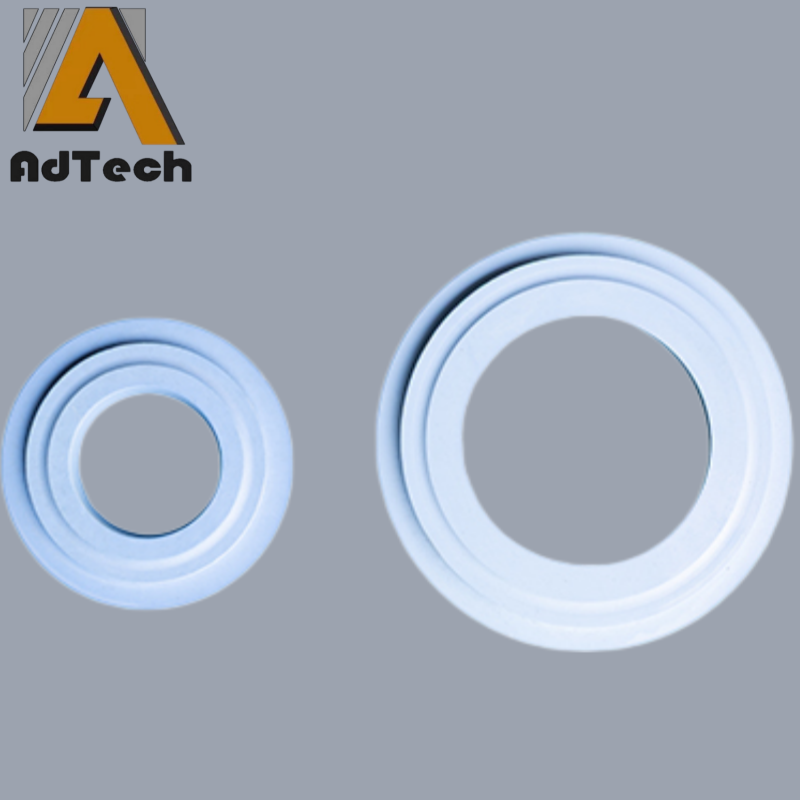
Where Are Molten Aluminum Transition Plates Used?
Литье алюминиевых заготовок
Transition plates are widely used in aluminum billet casting lines, especially in direct chill (DC) casting systems. They support stable metal feeding and consistent billet production.
Системы литья с горячей верхней частью
The transition plate is an important refractory component in hot-top assemblies, working together with components such as:
- Наперсток
- Distribution plate
- Graphite ring
- Mold assembly
to maintain controlled aluminum flow and thermal conditions.
Производство высококачественных алюминиевых сплавов
For alloys requiring strict control of casting stability and billet quality, reliable transition plates help maintain consistent production performance.
How to Choose the Right Aluminum Transition Plate?
1. Match the Casting System Design
The transition plate should match:
- Mold configuration
- Casting table design
- Distribution system
- Billet diameter
Incorrect dimensions may affect metal flow stability and casting performance.
2. Consider Billet Diameter and Mold Size
Different billet sizes require different transition plate dimensions. Selection should be based on:
- Alloy diameter
- Mold opening size
- Требования к кастингу
3. Select Suitable Refractory Material
Material selection depends on:
- Температура литья
- Тип сплава
- Production speed
- Expected service life
Common materials include:
| Материал | Заявка |
|---|---|
| Алюминосиликат | Standard aluminum casting applications |
| Кремнезем с высоким содержанием плавкого кремнезема New140 | Applications requiring improved thermal stability |
| N17 | High-performance casting conditions |
4. Evaluate Operating Conditions
Before selecting a transition plate, consider:
- Continuous casting duration
- Thermal cycling frequency
- Температура расплавленного алюминия
- Требования к техническому обслуживанию
Часто задаваемые вопросы
1. What is a molten aluminum transition plate?
A molten aluminum transition plate is a circular refractory component used in hot-top and DC casting systems to provide a stable transition area for molten aluminum flow between the distribution system and mold assembly.
2. Where is the transition plate installed?
It is installed in the hot-top casting assembly, usually between the molten aluminum distribution components and the mold area.
3. Is a transition plate used for aluminum filtration?
No. A transition plate does not filter molten aluminum. Its main functions are controlling metal flow, maintaining thermal stability, and supporting consistent casting conditions.
4. What materials are used for aluminum transition plates?
Common materials include aluminum silica, high fused silica, and other high-performance refractory materials selected according to casting conditions.
5. How long does an aluminum transition plate last?
Service life depends on casting temperature, alloy type, operating conditions, and material selection. Properly selected refractory materials can withstand extended continuous casting cycles.
6. What is the difference between a transition plate and a distribution plate?
A distribution plate mainly helps spread molten aluminum evenly, while a transition plate provides a stable transition area between the distribution system and mold assembly.
7. Can transition plates be customized?
Yes. Dimensions can be customized according to billet diameter, mold design, and specific hot-top casting requirements.
8. What problems can a worn transition plate cause during aluminum casting?
A worn transition plate may affect molten aluminum flow stability, temperature distribution, and casting consistency. Severe wear or damage can lead to unstable metal feeding, increased maintenance requirements, and reduced billet quality.
9. How often should an aluminum transition plate be replaced?
The replacement frequency depends on factors such as casting temperature, alloy type, casting speed, operating hours, and refractory material performance. Regular inspection helps determine when replacement is required.
10. Can one transition plate fit different billet casting sizes?
No. Transition plates are usually designed according to specific mold dimensions, billet diameter, and casting system requirements. Selecting the correct size is important for maintaining stable aluminum flow and casting performance.

Старший инженер-технолог, специализирующийся на очистке алюминиевого расплава и оптимизации технологических процессов.
Основное внимание уделяется технологиям литья алюминия, обработке расплава и решениям по повышению качества, а также делится практическими рекомендациями по улучшению характеристик отливок и повышению эффективности производства.