What Is a Molten Aluminum Transition Plate and Why Is It Important in DC Casting?
Entre em contato conosco
Índice
What Is a Molten Aluminum Transition Plate and Why Is It Important in DC Casting?
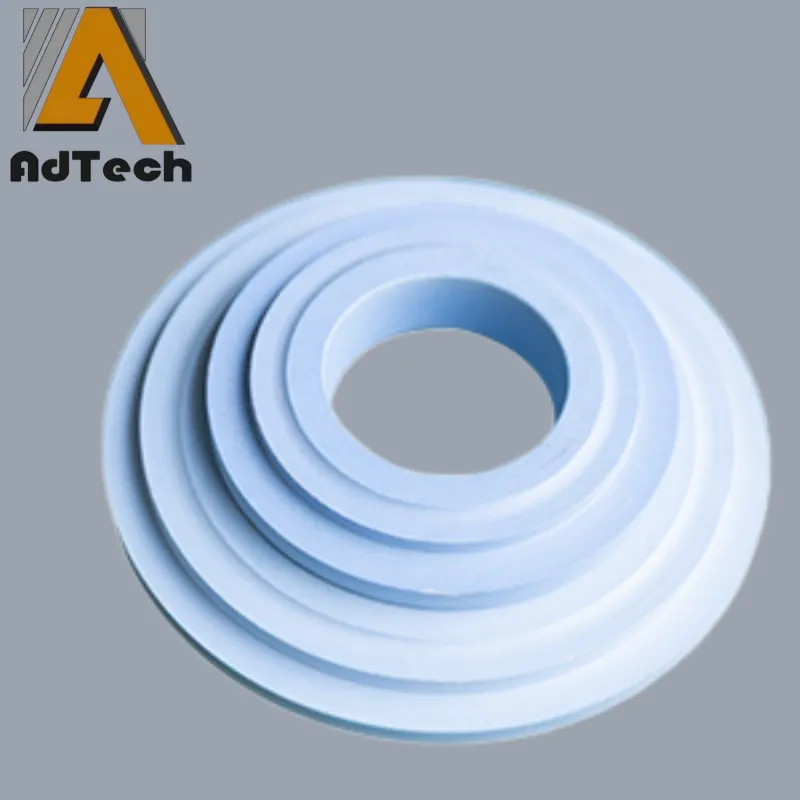
A molten aluminum transition plate is a refractory component used in aluminum hot-top casting systems and direct chill (DC) casting applications to control the transition of liquid aluminum from the distribution system into the casting mold. By providing a stable flow path, thermal insulation, and resistance to molten aluminum corrosion, the transition plate helps maintain uniform metal distribution and consistent solidification conditions, which directly affects aluminum billet and slab quality.
In continuous aluminum casting, the quality of the final product is influenced not only by alloy composition and melt cleanliness but also by how smoothly molten aluminum enters the mold. The transition zone between the molten metal delivery system and the solidification area is highly sensitive to turbulence, heat loss, and flow instability. A properly designed aluminum transition plate helps manage these factors and supports stable casting performance.
transition plate for aluminum casting
What Is a Molten Aluminum Transition Plate?
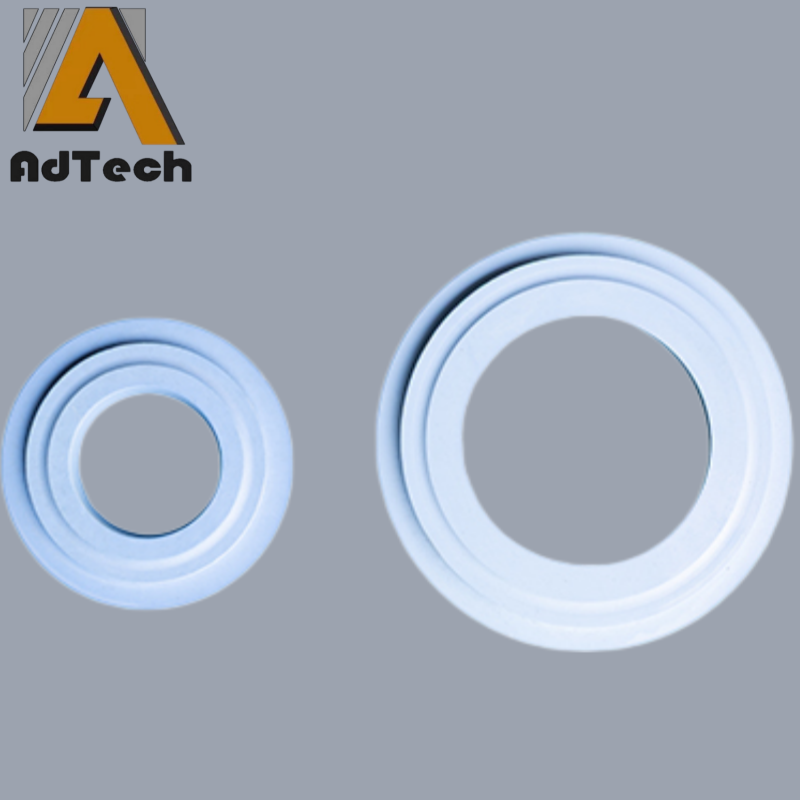
A molten aluminum transition plate is a circular refractory component installed between the molten aluminum distribution system and the casting mold in a hot-top or DC casting setup. Its primary function is to create a controlled transition area where molten aluminum can enter the mold with stable flow conditions.
Unlike structural parts that simply support the casting equipment, the transition plate directly interacts with the thermal and fluid conditions of the casting process. It must withstand:
Continuous contact with molten aluminum
Repeated heating and cooling cycles
Thermal shock during casting operation
Chemical attack from liquid aluminum
Mechanical stress caused by temperature changes
The transition plate is usually manufactured from high-performance refractory materials with low wettability toward molten aluminum. This reduces aluminum penetration and helps maintain the dimensional stability of the component during long casting cycles.
The typical position of the transition plate in an aluminum casting system is shown below:
Casting Section
Função principal
Forno de retenção
Maintains molten aluminum supply
Launder system
Transfers molten aluminum to casting area
Distribution area
Controls metal delivery to mold
Transition plate
Stabilizes flow and thermal conditions
Mold
Initiates aluminum solidification
Because it is located close to the solidification zone, even small changes in the transition plate design can influence billet surface quality, casting stability, and operational reliability.
Where Is a Transition Plate Used in Aluminum Casting?
A transition plate is mainly used in aluminum hot-top casting systems and direct chill (DC) casting processes, especially for applications requiring stable billet or slab production.
In these casting methods, molten aluminum must enter the mold at a controlled rate while maintaining an appropriate temperature gradient. Excessive turbulence or uneven heat transfer can create casting defects such as surface irregularities, inconsistent grain structure, or unstable solidification.
Entre as aplicações mais comuns estão:
Inscrição
Casting Product
Why Transition Plates Are Used
Fundição de lingotes de alumínio
Extrusion billets
Maintain stable metal flow and solidification
Fundição de placas de alumínio
Rolling slabs
Support uniform temperature distribution
Direct chill casting
Large-scale aluminum production
Melhorar a consistência da fundição
Hot-top casting
Continuous casting systems
Reduce flow disturbance near mold entry
For aluminum producers, the transition plate is not an isolated component. It works together with other hot-top casting system components, including launders, molds, and distribution devices, to maintain a stable casting environment.
How Does a Transition Plate Control Molten Aluminum Flow?
The movement of molten aluminum before solidification has a significant effect on casting quality. When liquid metal enters the mold with unstable flow, it can create turbulence, oxide entrainment, and uneven filling conditions.
A well-designed aluminum transition plate provides a smoother passage between the distribution system and mold area. Its geometry helps reduce sudden flow changes and creates more consistent metal delivery.
The main flow-related benefits include:
Flow Issue
Possible Effect on Casting
Role of Transition Plate
Turbulência excessiva
Oxide formation and inclusions
Creates smoother metal transition
Uneven flow velocity
Non-uniform solidification
Supports balanced distribution
Sudden direction changes
Flow instability
Provides controlled passage
Metal splashing
Increased oxidation
Helps maintain stable flow
However, a transition plate does not replace aluminum melt purification processes such as degassing or filtration. Its purpose is different.
Equipamentos de desgaseificação removes dissolved hydrogen.
Filtros de espuma cerâmica remove non-metallic inclusions.
Transition plates control metal transfer and thermal conditions during casting.
These processes work together to improve overall aluminum casting quality.
How Does a Transition Plate Affect Heat Transfer During Casting?
Thermal management is one of the most important functions of a refractory transition plate.
During aluminum DC casting, molten aluminum must remain liquid until it reaches the correct solidification location. Excessive heat loss before entering the mold can cause premature solidification, while insufficient thermal control can create unstable freezing conditions.
The transition plate helps regulate heat exchange between molten aluminum and surrounding components through its refractory structure.
Important thermal factors include:
Factor
Influence on Casting
Thermal conductivity
Determines heat transfer rate
Material structure
Affects insulation performance
Thickness design
Influences thermal stability
Thermal shock resistance
Determines service durability
A properly selected transition plate helps maintain a more consistent temperature field around the mold entrance. This supports more predictable solidification behavior and reduces variations during continuous casting.
Transition plates
What Materials Are Used for Aluminum Casting Transition Plates?
The material selection of a transition plate directly affects its service life and casting performance. Since the component operates in direct contact with molten aluminum, the refractory material must provide:
Low reaction with aluminum
Good thermal insulation
Resistance to thermal cycling
Structural stability at elevated temperatures
Common material options include:
Material
Characteristics
Typical Application
Sílica de alumínio
Balanced thermal performance and corrosion resistance
Standard aluminum casting applications
Sílica fundida de alta pureza New140
Improved thermal stability and lower thermal expansion
Specialized casting conditions
N17 refractory material
Higher durability under demanding conditions
High-performance casting operations
Different casting systems may require different material properties. For example, a high-speed production line may prioritize thermal shock resistance and service life, while a standard billet casting operation may focus on cost balance and stable performance.
Why Does a Transition Plate Need High Resistance to Molten Aluminum?
Molten aluminum is highly reactive with many materials. During long casting operations, refractory components may experience aluminum penetration, chemical interaction, and erosion.
A poor-quality transition plate can gradually lose dimensional accuracy because molten aluminum enters pores or reacts with the refractory structure. This may lead to:
Reduced service life
Flow changes during operation
Increased maintenance frequency
Casting instability
A high-quality refractory component minimizes these problems by using materials designed specifically for molten aluminum contact.
The main resistance requirements are:
Resistance Property
Purpose
Aluminum corrosion resistance
Prevent chemical degradation
Low aluminum wettability
Reduce metal penetration
Thermal shock resistance
Handle repeated temperature changes
Dimensional stability
Maintain accurate fitting
For continuous aluminum casting, maintaining the original shape of the transition plate is important because small dimensional changes can affect molten metal distribution.
What Problems Can Occur If a Transition Plate Performs Poorly?
Although the transition plate is a relatively small component in the overall casting system, its condition can influence casting stability.
Common problems include:
Problema
Possible Cause
Unstable metal flow
Incorrect design or dimensional change
Billet surface defects
Poor thermal balance near mold entry
Short service life
Insufficient thermal shock resistance
Aluminum penetration
Unsuitable refractory material
Frequent replacement
Low structural durability
It is important to understand that casting problems are usually caused by multiple factors. Melt quality, casting speed, cooling conditions, mold design, and refractory components all interact with each other.
Therefore, selecting a transition plate should be based on the complete casting system rather than only the component itself.
How Do You Choose the Right Transition Plate for Aluminum Casting?
Selecting the correct hot-top casting transition plate depends on several operating conditions, including casting equipment design, alloy type, production requirements, and thermal conditions.
Key selection factors include:
Selection Factor
Why It Matters
Casting system design
Ensures proper installation and compatibility
Billet or slab diameter
Determines component dimensions
Velocidade de lançamento
Influences thermal and mechanical stress
Tipo de liga
Different alloys may affect corrosion behavior
Temperatura de operação
Determines refractory requirements
Customized transition plate dimensions are commonly required because aluminum casting systems vary significantly between manufacturers and production lines.
A properly matched transition plate should provide:
Fluxo estável de alumínio fundido
Reliable thermal insulation
Long operating life
Consistent casting performance
What Is the Difference Between a Transition Plate and Other Aluminum Casting Components?
In an aluminum casting system, different components perform different functions. Confusion between these parts can lead to incorrect equipment selection.
Component
Função principal
Launder system
Transfers molten aluminum between process stages
Ceramic foam filter
Removes non-metallic inclusions
Degassing system
Removes dissolved hydrogen
Transition plate
Controls flow transition and thermal conditions
Mold
Controls initial solidification
The transition plate is therefore a flow and thermal management component rather than a purification device.
Its value comes from improving the stability of the casting environment where molten aluminum changes from a flowing liquid into a solidifying product.
How Does a Transition Plate Improve Aluminum Billet Quality?
The quality of aluminum billets depends on the combined performance of melt treatment, casting equipment, and process control. A molten aluminum transition plate contributes by creating a more stable casting transition zone.
Its main contributions include:
More uniform molten aluminum distribution
Reduced flow disturbance before solidification
Better thermal balance around the mold entrance
Improved consistency during continuous casting
For aluminum producers using hot-top or DC casting systems, selecting a suitable refractory transition plate is an important step toward achieving stable production and consistent billet quality.
A well-designed transition plate does not simply withstand molten aluminum; it helps create the controlled casting conditions required for reliable aluminum production.
Perguntas frequentes
1. What is a molten aluminum transition plate?
A molten aluminum transition plate is a refractory component installed between the molten aluminum distribution system and the casting mold in hot-top and direct chill (DC) casting systems. It provides a controlled transition area for aluminum flow, helping maintain stable metal distribution, thermal balance, and consistent solidification conditions during casting.
2. What is the function of a transition plate in aluminum casting?
The main function of an aluminum transition plate is to control molten aluminum flow and provide thermal stability near the mold entry area. It helps reduce turbulence, maintain uniform metal distribution, and support stable solidification, which can improve aluminum billet and slab casting consistency.
3. Where is a transition plate installed in a hot-top casting system?
A transition plate is installed between components such as the distribution plate or casting thimble and the mold area in a hot-top casting system. It works together with other hot-top casting components, including launders, graphite rings, and molds, to guide molten aluminum into the casting zone smoothly.
4. How does a transition plate improve aluminum billet casting quality?
A transition plate improves aluminum billet casting quality by creating a more stable flow path and maintaining consistent thermal conditions before solidification begins. This helps reduce flow fluctuations, uneven heat transfer, and casting instability that may affect billet surface quality.
5. What materials are used for aluminum casting transition plates?
Aluminum casting transition plates are commonly manufactured from refractory materials such as aluminum silica, high fused silica, and high-performance refractory materials like N17. These materials are selected for their resistance to molten aluminum corrosion, thermal shock resistance, and dimensional stability under continuous casting conditions.
6. Does a transition plate remove impurities from molten aluminum?
No. A transition plate does not remove hydrogen or non-metallic inclusions from molten aluminum. Melt purification equipment such as degassing systems and ceramic foam filters are used for impurity removal, while the transition plate mainly controls metal flow and thermal conditions during casting.
7. Why does a transition plate need corrosion resistance against molten aluminum?
A transition plate remains in direct contact with molten aluminum for long periods, so it must resist aluminum penetration, chemical reaction, and erosion. Good corrosion resistance helps maintain the original geometry of the component and prevents contamination or instability during continuous casting.
8. How long does an aluminum transition plate typically last?
The service life of an aluminum transition plate depends on factors such as casting temperature, alloy type, casting speed, operating conditions, and refractory material selection. High-quality refractory transition plates with good thermal shock resistance and corrosion resistance can withstand repeated casting cycles under proper operating conditions.
9. How do you choose the right transition plate for a DC casting system?
Choosing the right DC casting transition plate requires considering the casting machine design, billet diameter, alloy type, operating temperature, and required service life. The dimensions and refractory material should match the specific hot-top casting system to ensure stable installation and reliable molten aluminum flow.
10. What is the difference between a transition plate and a ceramic foam filter?
A transition plate and a ceramic foam filter serve different purposes in aluminum casting. A ceramic foam filter removes non-metallic inclusions from molten aluminum, while a transition plate controls metal flow direction, thermal conditions, and the transition between the distribution system and mold during casting.
Engenheiro de Processos Sênior, especializado em purificação de alumínio fundido e otimização de processos.
Com foco em tecnologias de fundição de alumínio, tratamento de metal fundido e soluções para melhoria da qualidade, compartilhando insights práticos sobre como aprimorar o desempenho da fundição e a eficiência da produção.
Engenheiro de Processos Sênior, especializado em purificação de alumínio fundido e otimização de processos.
Com foco em tecnologias de fundição de alumínio, tratamento de metal fundido e soluções para melhoria da qualidade, compartilhando insights práticos sobre como aprimorar o desempenho da fundição e a eficiência da produção.