
Poor aluminum melt quality is one of the main reasons for casting defects, unstable production, and inconsistent product performance. However, melt quality problems are not always caused by a single factor. In many aluminum plants, defects appear even after degassing or filtration because contamination can be introduced at different stages, from melting to casting.
Understanding where melt quality problems come from is the first step to improving aluminum cleanliness.
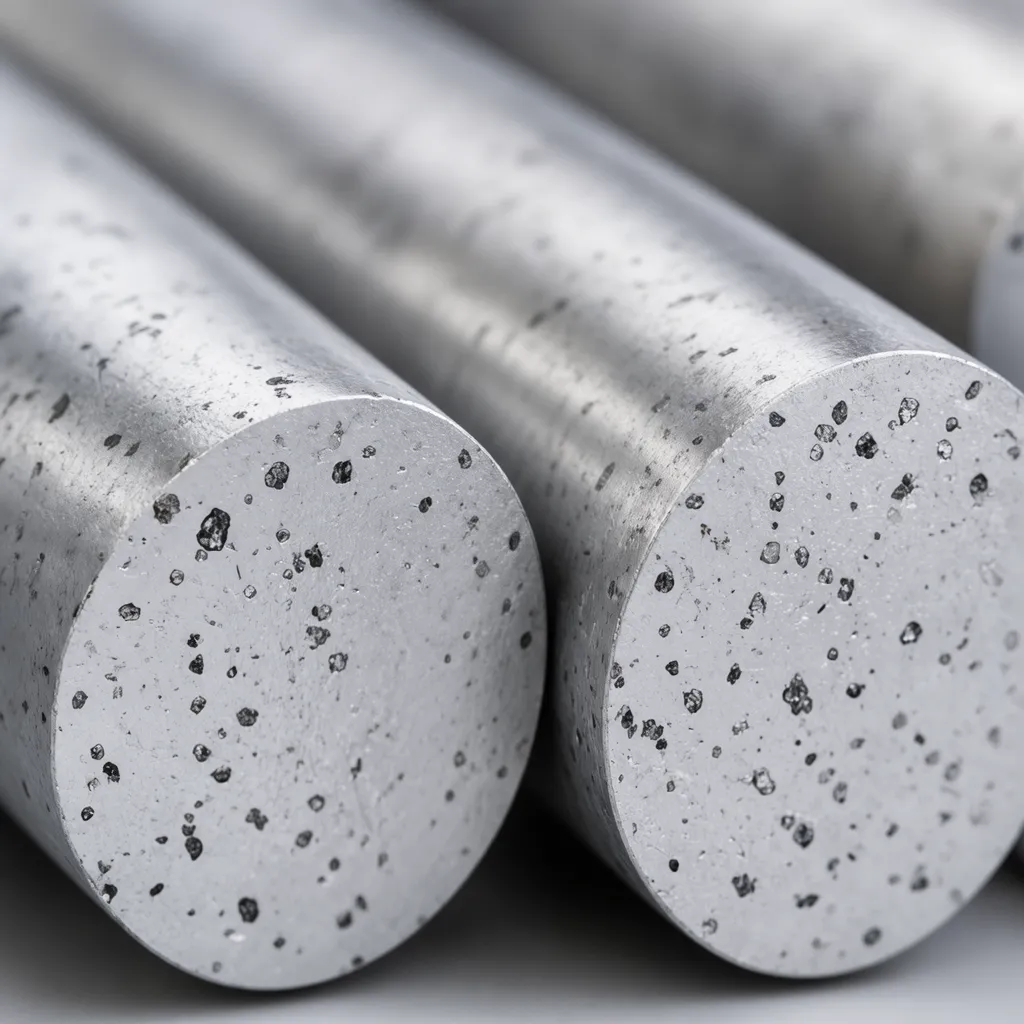
What Are the Signs of Poor Aluminum Melt Quality?
Before looking at the causes, producers usually identify melt quality problems through final product defects.
Common signs include:
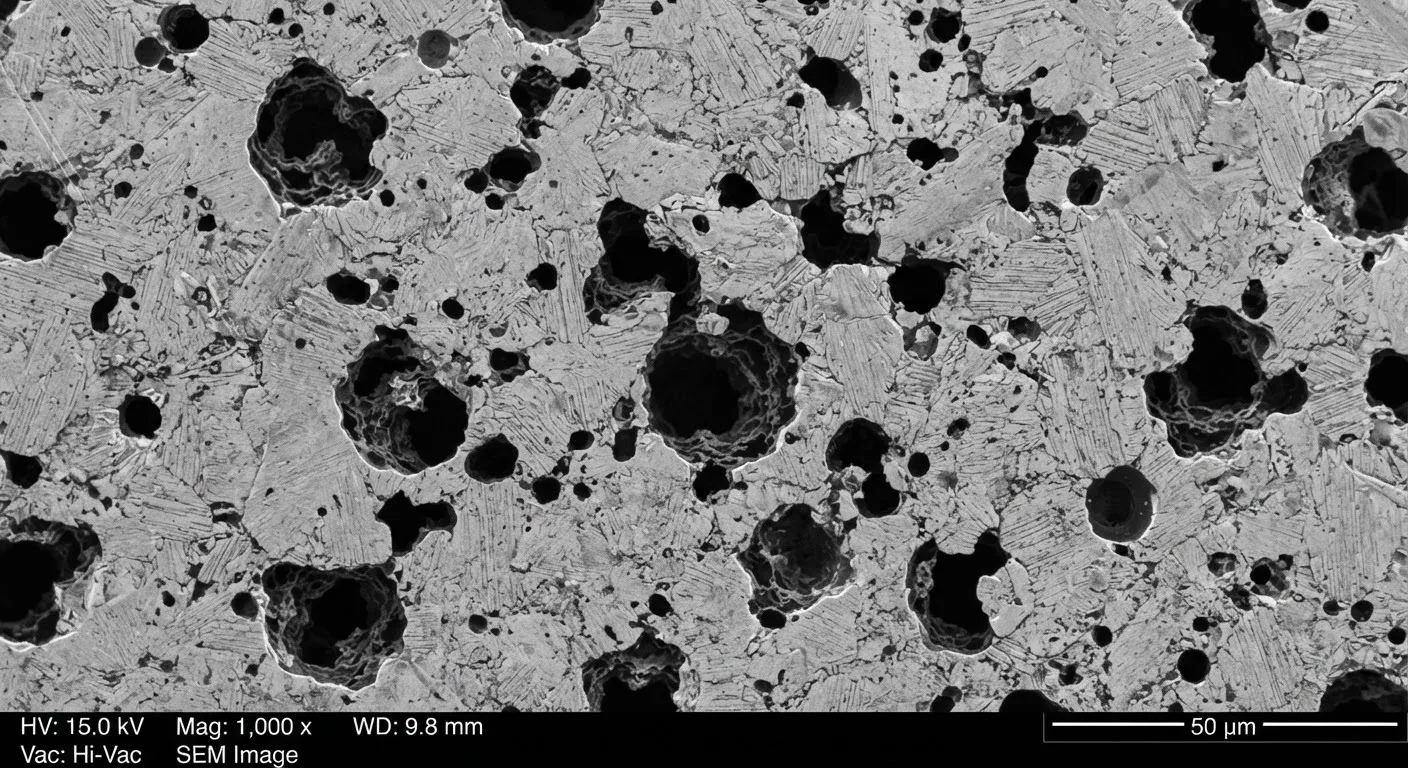
1. Porosity in Cast Products
Excess hydrogen in molten aluminum forms gas pores during solidification.
Common results:
- Reduced mechanical properties
- Internal defects
- Rejection of cast products
2. Inclusion-Related Defects
Non-metallic inclusions may cause:
- Extrusion cracks
- Surface defects
- Wire breakage
- Poor fatigue performance
3. Unstable Casting Performance
Poor melt quality may also lead to:
- Frequent filter replacement
- Unstable casting speed
- Increased scrap rate
Explore Our Complete Aluminum Melt Purification Solutions
What Causes Poor Aluminum Melt Quality?
1. Hydrogen Absorption During Melting
Aluminum melt easily absorbs hydrogen because molten aluminum reacts with moisture.
Common sources include:
- Wet charging materials
- Moist furnace tools
- Poorly dried recycled aluminum
- Humidity in the working environment
The problem:
Hydrogen dissolved in liquid aluminum cannot be removed by ceramic filters because it is not a solid particle.
The solution:
A rotary degassing system introduces fine argon or nitrogen bubbles into the melt. Hydrogen diffuses into these bubbles and is removed from the aluminum melt.
2. Oxide Inclusions from Melt Turbulence
Many inclusion problems are created during melt handling.
When molten aluminum is exposed to air, an oxide film forms on the surface. If the melt is disturbed by:
- Excessive stirring
- Fast pouring
- Improper transfer
- High turbulence in launders
these oxide films can be broken into smaller particles and enter the melt.
The solution:
Reduce turbulence during transfer and use proper filtration before casting.
3. Poor Filtration Performance
Installing a ceramic foam filter does not always guarantee clean aluminum.
Filtration performance depends on:
Filter selection
Different alloys and casting requirements may require different PPI grades.
For example:
- Lower PPI: higher flow capacity
- Higher PPI: better filtration efficiency
Contact Us to know about filter selection
Incorrect filter installation
Problems may occur when:
- Filter is not fully sealed
- Melt bypasses the filter
- Filter size is too small for the flow rate
Excessive inclusion load
A filter can only remove existing inclusions. If the furnace contains a large amount of oxide contamination, filter performance will be reduced.
4. Improper Flux Treatment
Flux treatment is commonly used to improve melt cleanliness, but incorrect selection or operation can create problems.
Possible issues:
- Insufficient reaction time
- Incorrect flux type
- Excessive slag formation
- Poor slag removal
A suitable flux treatment process helps remove oxides and improve melt quality before filtration.
5. Contamination from Recycled Aluminum
Secondary aluminum often contains higher levels of impurities due to:
- Paint coatings
- Oils
- Oxidized materials
- Mixed alloy composition
Without proper treatment, recycled aluminum can increase:
- Hydrogen content
- Oxide inclusions
- Slag generation
Why Does Aluminum Melt Quality Become Worse After Treatment?
This is a common question in aluminum plants.
A melt treatment system can only solve the problems it is designed for.
For example:
| Problem | Effective Solution |
|---|---|
| Hydrogen | Rotary degassing |
| Solid inclusions | Ceramic foam filtration |
| Slag | Flux treatment and slag removal |
| Turbulence-generated oxides | Better melt handling |
Using filtration to remove hydrogen or using degassing to remove solid particles will not solve the problem.
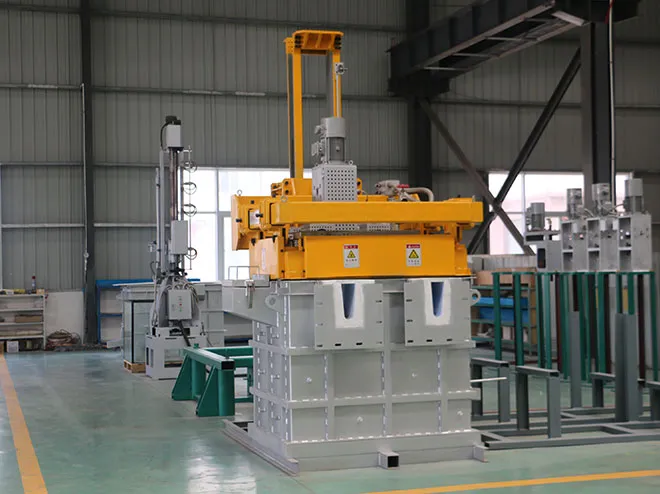
How Can Aluminum Plants Improve Melt Quality?
A stable melt quality system usually includes:
1. Control the Melting Process
- Keep charging materials dry
- Remove slag regularly
- Avoid unnecessary turbulence
2. Optimize Degassing
Monitor:
- Gas flow rate
- Rotor speed
- Treatment time
3. Select the Right Filtration System
Consider:
- Alloy type
- Casting speed
- Required cleanliness level
- Inclusion level before filtration
4. Monitor Melt Quality Regularly
Methods may include:
- Density Index (DI)
- PoDFA analysis
- LiMCA testing
Conclusion
Poor aluminum melt quality is usually the result of multiple factors, including hydrogen absorption, oxide formation, insufficient filtration, and improper melt handling.
Improving melt quality requires more than adding one piece of equipment. A reliable solution combines proper melting practices, effective degassing, suitable filtration, and continuous process control.
FAQ
1. What is a porous ceramic filter used for?
A porous ceramic filter is used to remove solid particles, impurities, and contaminants from liquids or gases in industrial processes. Due to its high temperature resistance, corrosion resistance, and stable filtration performance, it is widely used in molten metal filtration, chemical processing, high-temperature gas filtration, and other demanding applications.
2. How do I choose the right porous ceramic filter for my application?
The right porous ceramic filter depends on several factors, including the filtration medium, operating temperature, particle size, required filtration accuracy, flow rate, pressure conditions, and equipment design. Selecting the correct pore structure and filter material helps achieve better filtration efficiency and longer service life.
3. What pore size should I choose for a porous ceramic filter?
The suitable pore size depends on the size and type of particles that need to be removed and the required filtration performance. Smaller pores provide finer filtration but may increase pressure drop, while larger pores allow higher flow rates with lower filtration resistance.
4. Can porous ceramic filters be used in high-temperature applications?
Yes. Porous ceramic filters are suitable for high-temperature applications because of their excellent thermal stability, mechanical strength, and resistance to corrosion. They are commonly used in industrial processes where conventional filter materials cannot withstand harsh operating conditions.
5. What materials are used for porous ceramic filters?
Common materials for porous ceramic filters include alumina, silicon carbide, zirconia, and other advanced ceramic materials. The suitable material depends on the working temperature, chemical environment, filtration requirements, and the properties of the filtered medium.
6. Why does a porous ceramic filter become clogged?
Porous ceramic filter clogging usually occurs when particles accumulate on the filter surface or block internal pore channels. High impurity concentration, unsuitable pore size, excessive flow rate, or improper operating conditions can increase filtration resistance and reduce performance.
7. Can ceramic filters be cleaned and reused?
Some ceramic filters can be cleaned and reused depending on the filter material, contamination type, and cleaning method. Proper regeneration methods, such as backwashing, air cleaning, or chemical cleaning, can help restore filtration performance and extend service life.
8. What is the difference between a porous ceramic filter and a traditional filter?
Compared with traditional filter materials, porous ceramic filters provide higher temperature resistance, better chemical stability, and stronger mechanical performance. They are designed for industrial applications that require reliable filtration under high-temperature or corrosive conditions.
9. Can porous ceramic filters be customized?
Yes. Porous ceramic filters can be customized according to specific application requirements, including filter dimensions, shape, pore size, material selection, filtration accuracy, and connection design. Customized solutions help improve compatibility with different filtration systems.
10. What information should I provide when purchasing a porous ceramic filter?
Before selecting a porous ceramic filter, it is recommended to provide information such as the filtration medium, operating temperature, pressure conditions, flow rate, particle characteristics, required filtration accuracy, filter dimensions, and application environment. This information helps suppliers recommend the most suitable filtration solution.

Senior Process Engineer specializing in aluminum melt purification and process optimization.
Focused on aluminum casting technologies, molten metal treatment, and quality improvement solutions, sharing practical insights into improving casting performance and production efficiency.