
AdTech has successfully completed the installation, commissioning, and on-site acceptance of an integrated aluminum degassing and filtration line in Indonesia. The equipment has passed the project’s acceptance process and is now operating stably. Designed around the customer’s aluminum melting and casting requirements, the system combines hydrogen removal and non-metallic inclusion control to support cleaner molten aluminum and more consistent casting quality. The project also demonstrates AdTech’s ability to deliver customized melt purification equipment and on-site technical support for overseas aluminum producers.
What Was Delivered for the Indonesian Aluminum Casting Project?
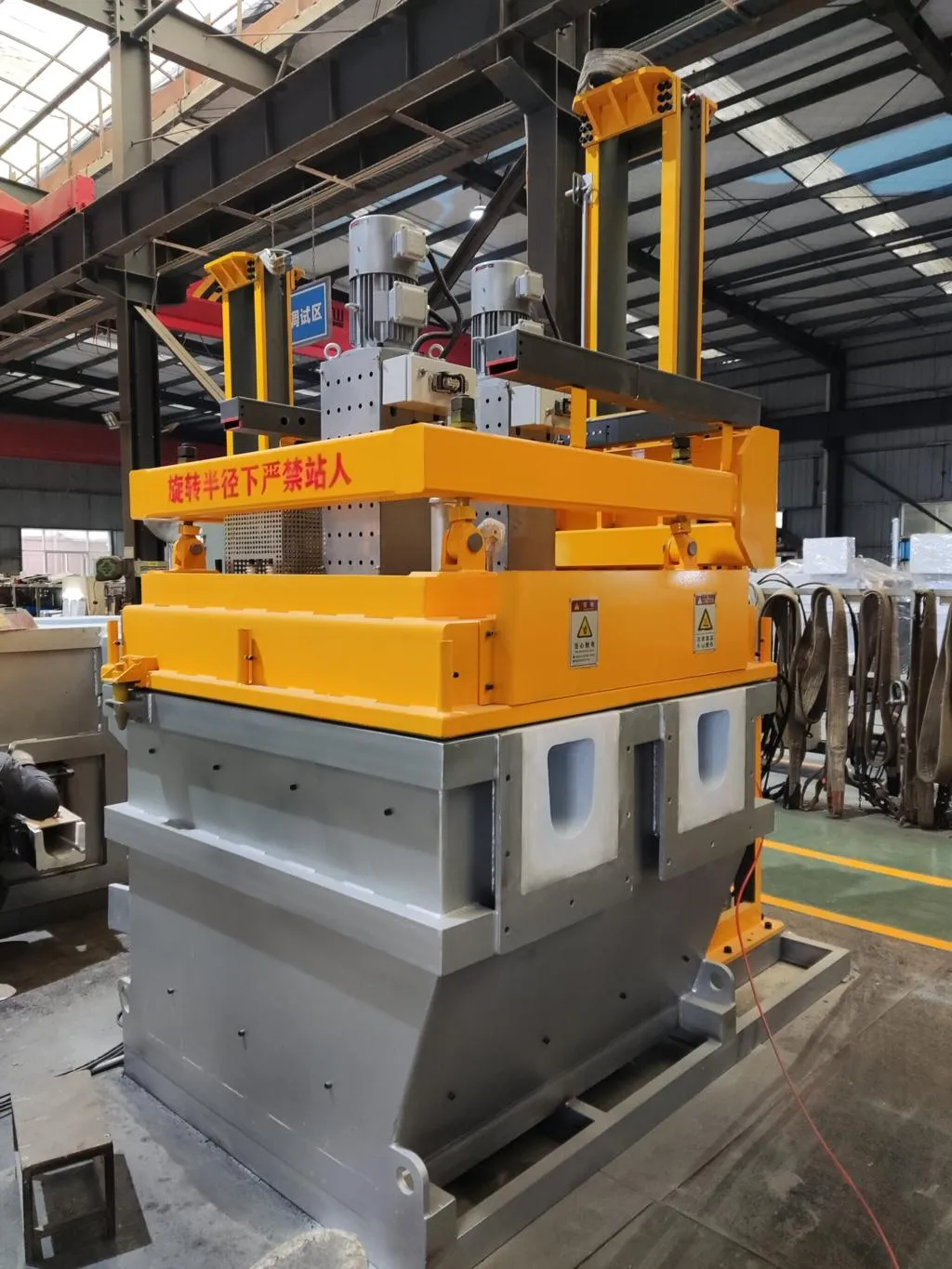
The Indonesian project involved an integrated aluminum melt treatment line designed to support the customer’s production requirements. AdTech completed the process from solution customization and equipment delivery to on-site installation, commissioning, and final acceptance.
The project has now progressed from equipment installation to stable production operation. This is an important distinction for industrial equipment buyers: a successful delivery is not defined only by manufacturing and shipment, but also by whether the installed system can operate within the customer’s production process.
| Project information | Details |
|---|---|
| Project location | Indonesia |
| Equipment supplied | Integrated aluminum degassing and filtration line |
| Main application | Aluminum melting and casting |
| Project services | Solution customization, equipment delivery, installation, and commissioning |
| Project status | On-site acceptance completed; equipment operating stably |
| Primary objective | Hydrogen removal and non-metallic inclusion control |
The equipment configuration was tailored to the customer’s operating conditions rather than treated as a standard package that could be installed without adjustment. This approach allows the system layout, process connections, and treatment requirements to be considered together during project preparation.
How Does an Integrated Aluminum Degassing and Filtration Line Improve Melt Treatment?
Dissolved hydrogen and solid non-metallic inclusions are two different concerns in molten aluminum processing. An integrated treatment line combines equipment designed to address these separate melt-quality issues before casting.
Degassing equipment reduces dissolved hydrogen by introducing a suitable purge gas into the molten metal. The gas is dispersed into bubbles, allowing hydrogen to transfer from the liquid aluminum into the gas phase and leave the melt.
Filtration equipment removes solid non-metallic inclusions as molten aluminum passes through a suitable filtration medium, such as a ceramic foam filter.
These operations complement one another, but neither replaces the other.
| Treatment stage | Primary function | Relevance to casting quality |
|---|---|---|
| Aluminum degassing | Reduces dissolved hydrogen | Helps control hydrogen-related porosity |
| Ceramic foam filtration | Captures solid non-metallic inclusions | Helps reduce inclusion-related defects |
| Controlled metal transfer | Moves treated aluminum between process stages | Helps maintain stable flow and thermal conditions |
| Casting operation | Solidifies the treated metal into the required product | Determines the final casting structure and product characteristics |
The appropriate equipment configuration depends on the alloy, casting method, production rate, and required melt cleanliness. Combining degassing and filtration can provide a more complete treatment route when both hydrogen and inclusion control are required.
For aluminum producers evaluating a similar installation, the key is to identify the actual melt-quality requirements before determining the equipment arrangement. Increasing filtration capacity will not, by itself, resolve excessive dissolved hydrogen, just as degassing cannot remove every solid inclusion.
Why Is On-Site Commissioning Important for Overseas Aluminum Equipment Projects?
For overseas industrial projects, equipment delivery is only one part of the implementation process. The supplied machinery must also be installed in the available production space, connected to the relevant process equipment, checked, and commissioned under the agreed operating conditions.
In Indonesia, AdTech’s team followed the project through installation and commissioning before completing the acceptance process. The work involved coordinating the equipment configuration with the customer’s site conditions and addressing the technical requirements encountered during implementation.
A structured project workflow helps ensure that the manufactured equipment, installation arrangement, and production process are aligned.
| Project phase | Key activity | Intended outcome |
|---|---|---|
| Solution design | Establish the equipment configuration and customer requirements | Define the proposed technical arrangement |
| Manufacturing | Produce the equipment according to the agreed specification | Prepare the system for delivery |
| Equipment delivery | Coordinate shipment and project handover | Make the equipment available for installation |
| On-site installation | Position and connect the system | Establish the required mechanical and process interfaces |
| Commissioning | Check operation and address site-specific technical requirements | Prepare the equipment for production |
| Acceptance | Complete the agreed project verification process | Confirm completion of the installation and commissioning scope |
The successful acceptance of the Indonesian project demonstrates the importance of carrying technical responsibility beyond equipment manufacture. For buyers planning an overseas installation, the scope of commissioning, site support, acceptance criteria, and communication arrangements should be clarified before the project begins.
Which Aluminum Melt Purification Products Does AdTech Supply?
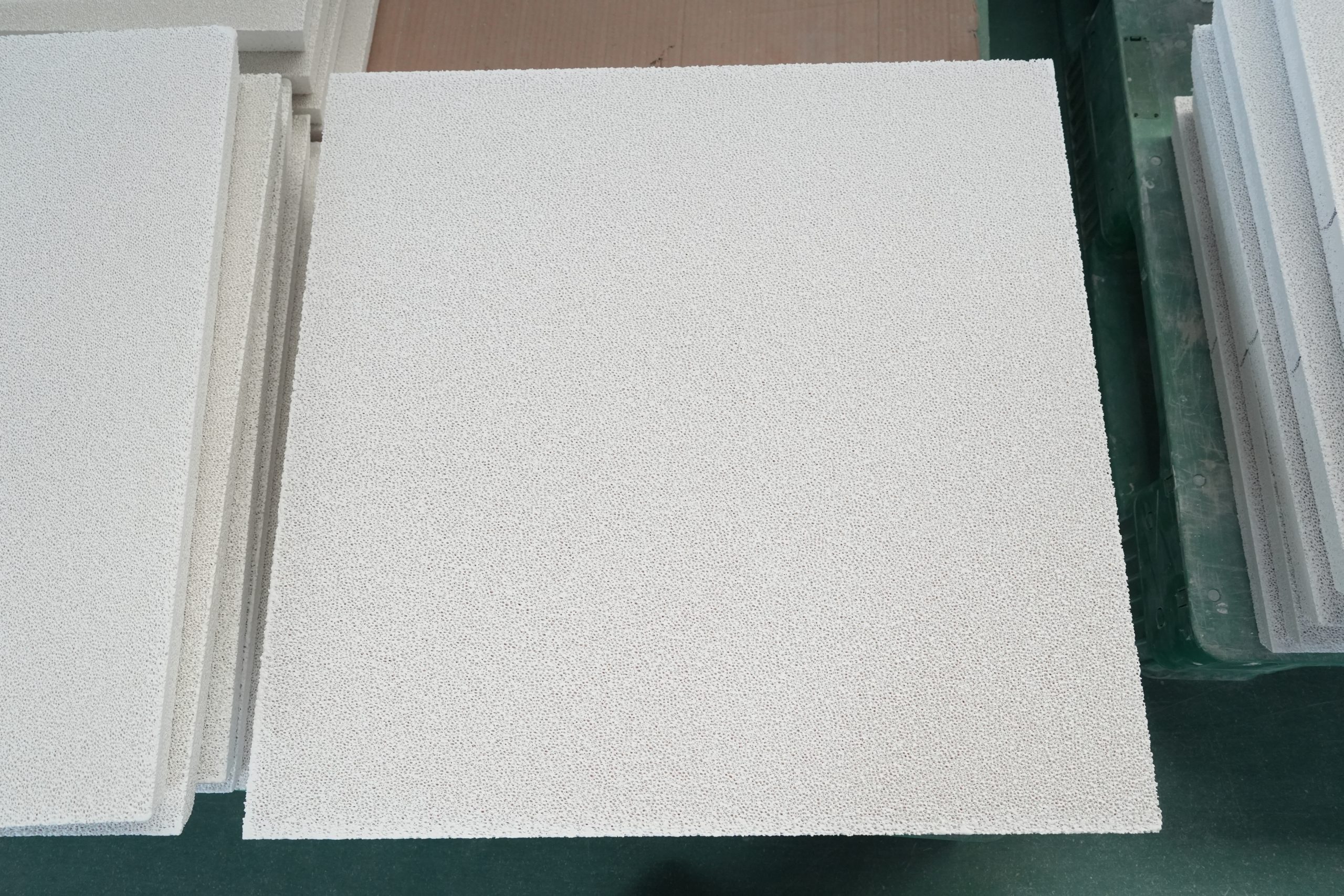
AdTech’s aluminum melt purification portfolio includes filtration materials, treatment equipment, and related components used in aluminum casting operations. The configuration required for an individual project depends on the production process and should be confirmed against the customer’s technical specification.
The broader product portfolio includes:
| Product category | Main function | Typical application |
|---|---|---|
| Online degassing equipment | Reduces dissolved hydrogen in molten aluminum | Aluminum billet, slab, and other casting lines |
| Ceramic foam filters | Remove solid non-metallic inclusions | Molten aluminum filtration before casting |
| Plate-type filter equipment | Houses the filtration medium within a defined flow path | Filtration stages in aluminum casting lines |
| Aluminum launder systems | Transfer molten aluminum between process stations | Connections between furnaces, treatment units, and casting machines |
| Casting tip plates and hot-top accessories | Support specific casting configurations | Applicable aluminum ingot and billet casting processes |
| Refining fluxes | Support melt treatment according to formulation and application | Suitable aluminum melting and refining operations |
Not every project requires every product category. A degassing and filtration line should be configured around the customer’s actual operating requirements, while casting accessories and other materials should be specified according to the production route.
For customers reviewing AdTech’s equipment options, the online degassing equipment and plate-type filtering equipment pages provide further information on two important parts of an aluminum melt treatment system.
How Should Aluminum Producers Select an Integrated Degassing and Filtration System?
The equipment selection process should begin with the required production performance and available plant layout. A system suited to one casting line may not be suitable for another with different metal throughput, alloy requirements, or process connections.
Before specifying an integrated aluminum degassing and filtration line, buyers should establish several key parameters.
| Selection factor | Information to establish |
|---|---|
| Aluminum alloy | Alloy grade and relevant melt characteristics |
| Production capacity | Required metal throughput and operating cycle |
| Melt-quality targets | Hydrogen limits and inclusion-control requirements |
| Filtration requirements | Filter type, PPI, filtration area, and operating conditions |
| Installation layout | Available space and connection points |
| Process integration | Arrangement of the furnace, degassing unit, filter box, launder, and casting machine |
| Project scope | Equipment supply, installation, commissioning, and acceptance requirements |
Clear requirements help the equipment supplier develop a configuration that reflects the actual production process instead of relying on generic specifications.
It is also important to define how the completed system will be evaluated. Where required, hydrogen measurements, inclusion assessment, operating checks, and other agreed acceptance procedures can provide evidence that the equipment is working as intended.
Equipment performance ultimately depends on the entire process, including melt handling and casting conditions. A well-designed treatment line should therefore be considered as part of the production system rather than as isolated machinery.
AdTech’s Continued Expansion in Overseas Aluminum Melt Purification Projects
The successful commissioning of the Indonesian line adds another completed overseas project to AdTech’s work in aluminum melt purification equipment.
AdTech develops and manufactures ceramic filtration materials, casting accessories, degassing equipment, and filtration systems for aluminum processing applications. Its project approach covers technical solution development, equipment manufacture, installation coordination, and commissioning support according to the agreed scope.
For overseas customers, this combination is particularly relevant when a project requires more than the purchase of individual machines. Equipment dimensions, production-line interfaces, installation conditions, and acceptance requirements must be coordinated to bring the system into operation.
AdTech will continue to serve aluminum processing customers in Southeast Asia and other international markets with melt purification materials and equipment designed around their production requirements.
The Indonesian project reflects the company’s focus on delivering complete equipment solutions and supporting customers through the implementation process, from initial technical planning to successful operation.

Senior Process Engineer specializing in aluminum melt purification and process optimization.
Focused on aluminum casting technologies, molten metal treatment, and quality improvement solutions, sharing practical insights into improving casting performance and production efficiency.