Tap Out Cone

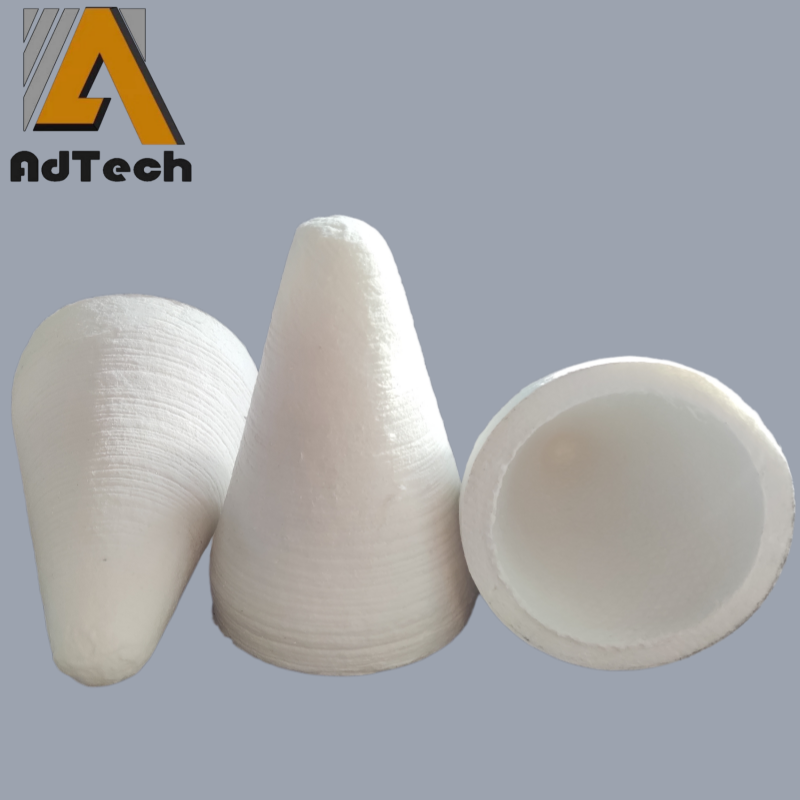
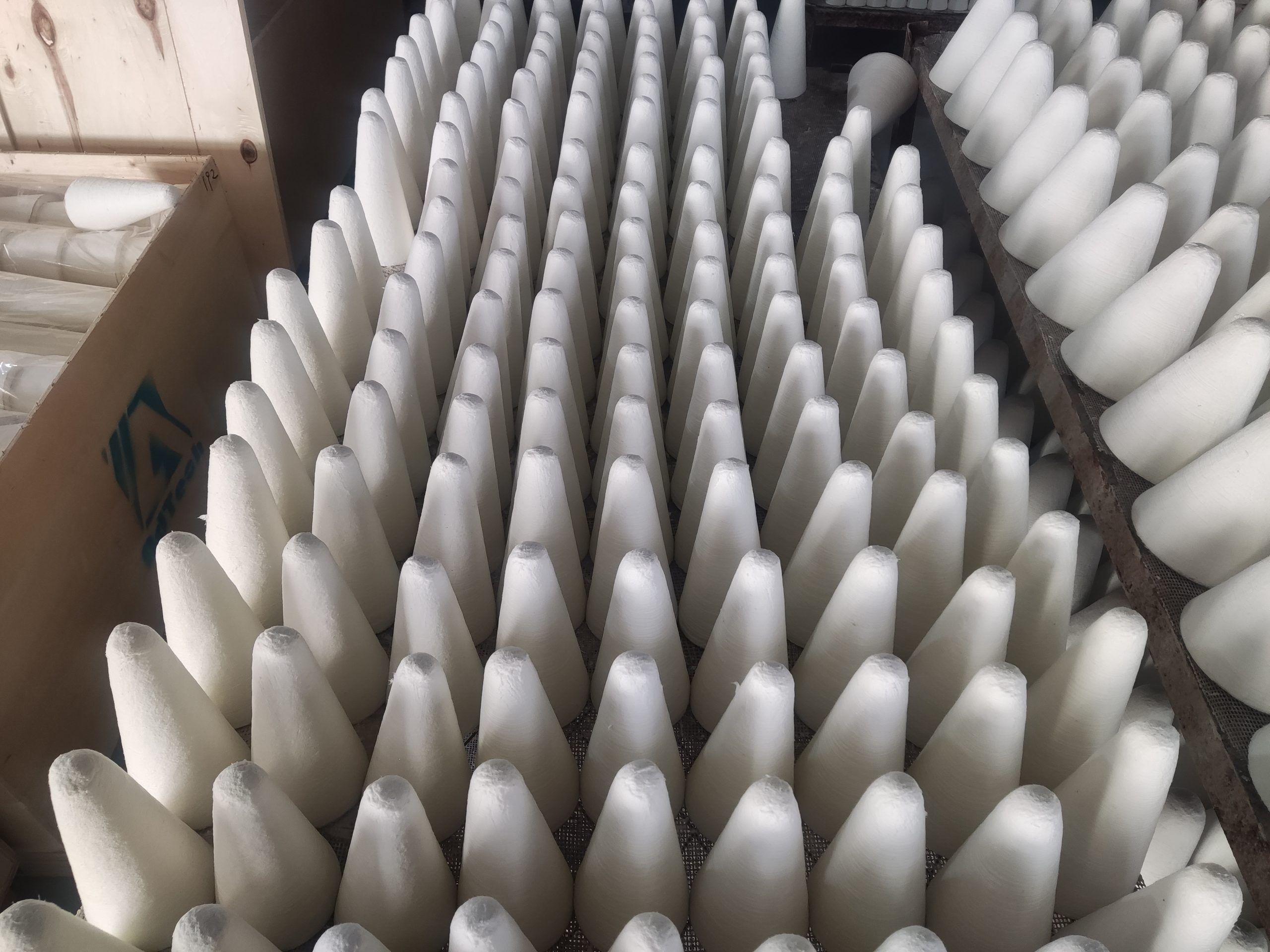
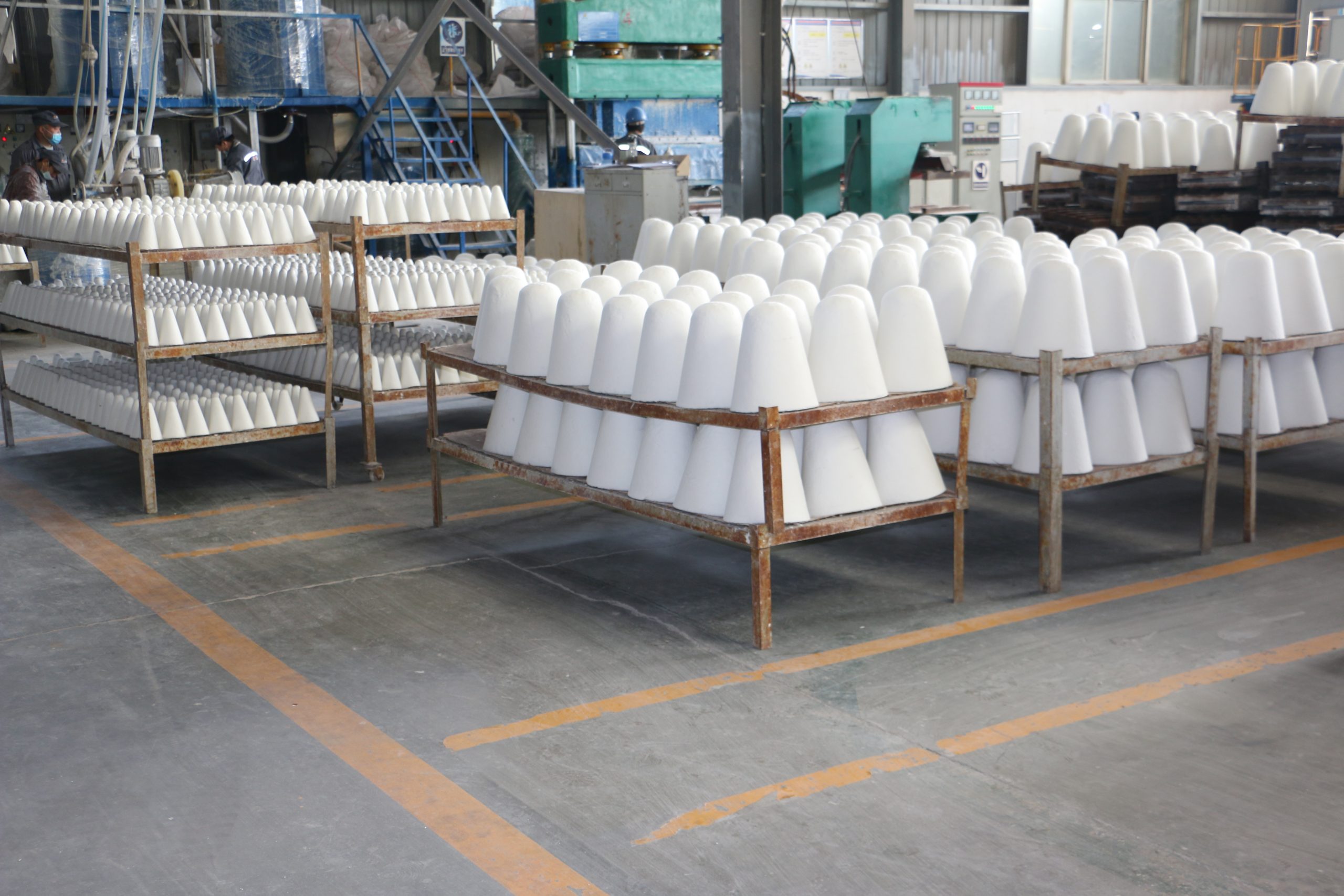
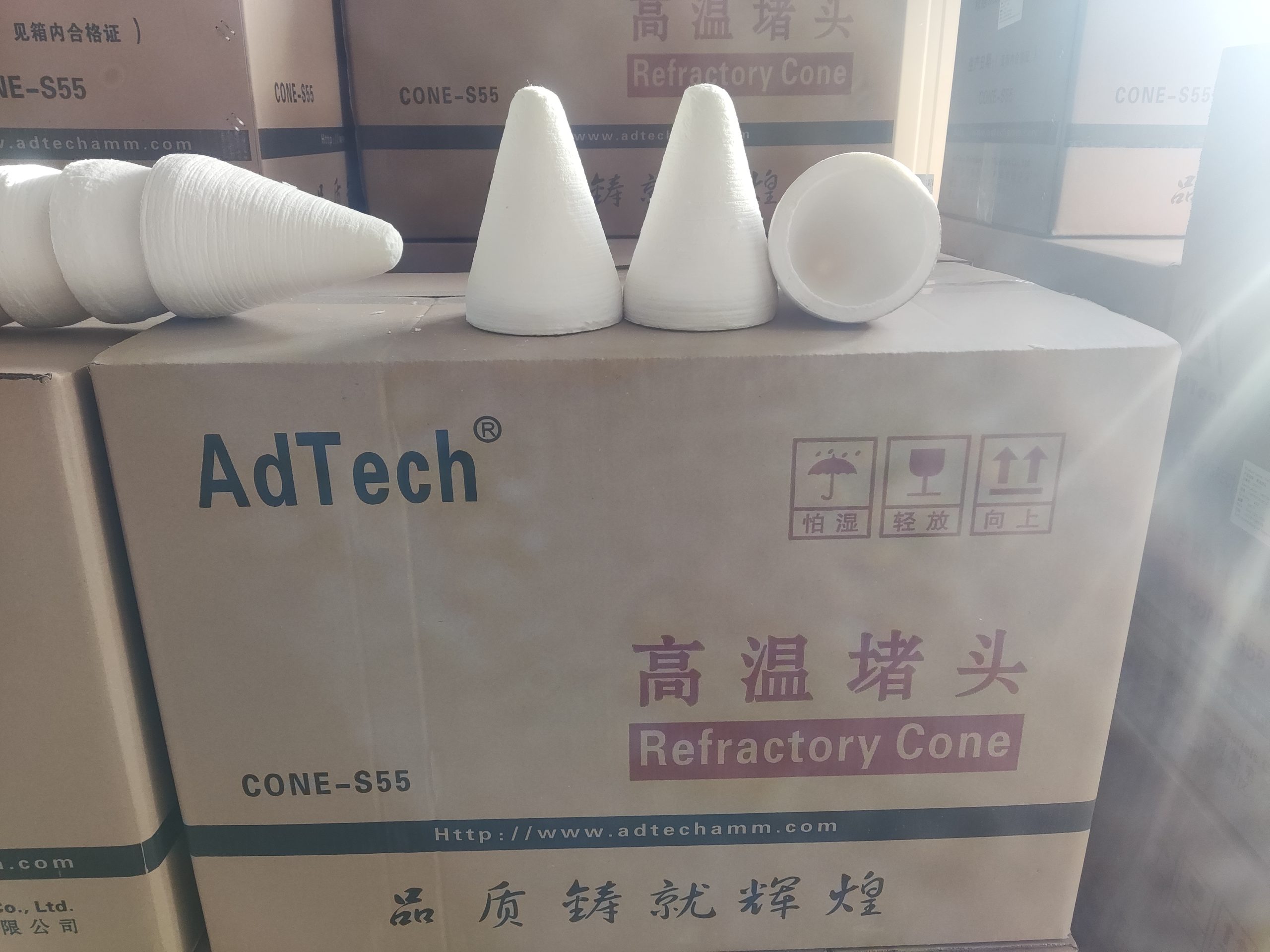
Tap Out Cone is a refractory component designed for aluminum casting systems to control the flow of molten aluminum during tapping and transfer. It ensures smooth, stable metal flow while preventing aluminum adhesion and minimizing slag contamination.

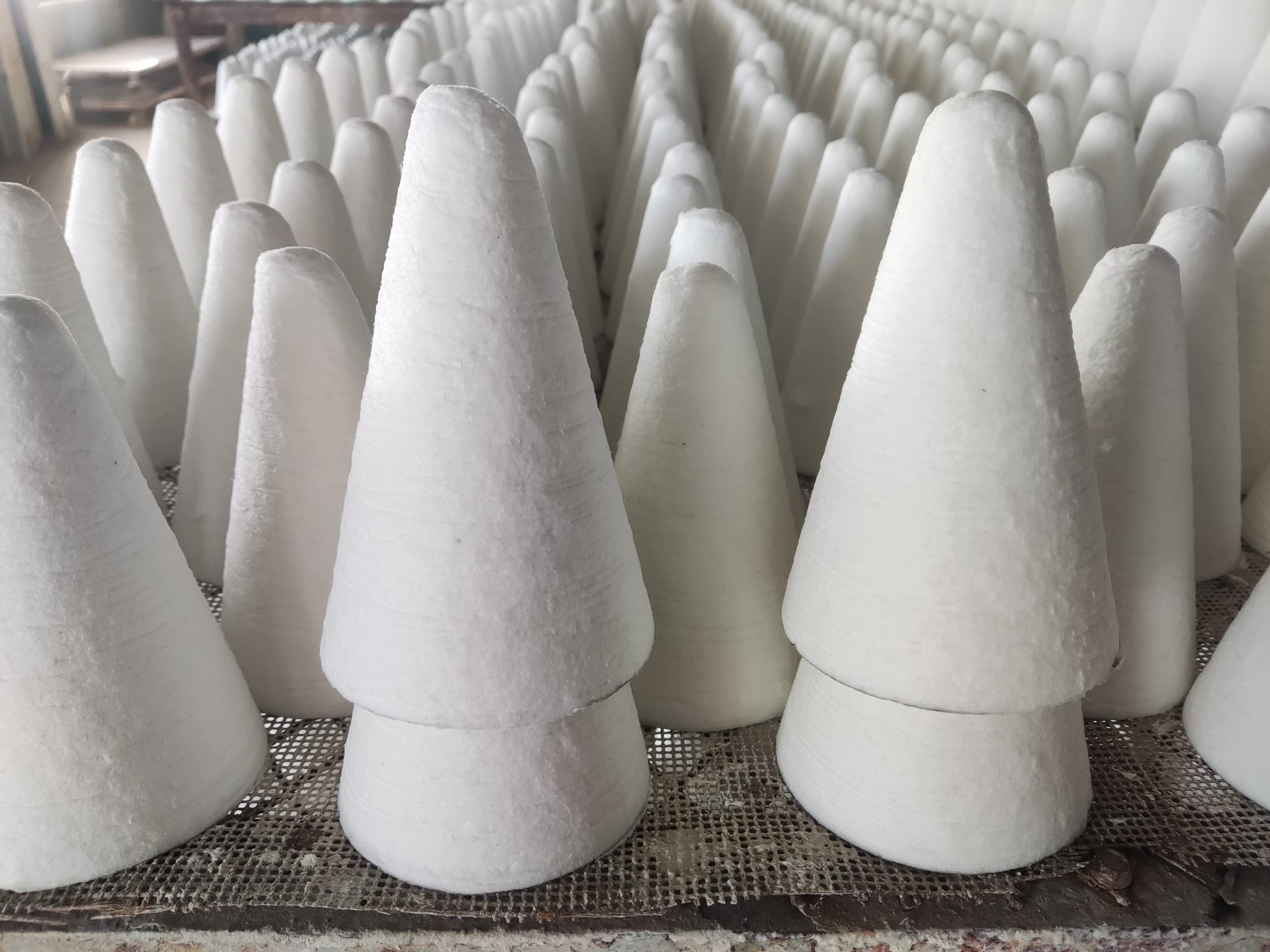
Manufactured from high-alumina fibers via vacuum suction, the Tap Out Cone offers precise dimensional control, uniform mass distribution, and high mechanical stability. Its design allows for tight sealing and effective flow control, supporting consistent aluminum quality during tapping operations.

Scroll down for more information

Share:

Tap Out Cone is a refractory component designed for aluminum casting systems to control the flow of molten aluminum during tapping and transfer. It ensures smooth, stable metal flow while preventing aluminum adhesion and minimizing slag contamination.

Manufactured from high-alumina fibers via vacuum suction, the Tap Out Cone offers precise dimensional control, uniform mass distribution, and high mechanical stability. Its design allows for tight sealing and effective flow control, supporting consistent aluminum quality during tapping operations.

Key Features

  • Controls aluminum flow during tapping and transfer
  • Prevents adhesion of aluminum and slag contamination
  • Uniform mass distribution and good elasticity for tight sealing
  • High hardness for long-term durability
  • Stable performance under repeated casting cycles

Product Advantages

Non-Stick & Clean Flow
Formed from high-alumina fibers using vacuum suction, the cone prevents aluminum from sticking to its surface and eliminates the risk of slag falling off, ensuring cleaner metal transfer.

Uniform & Stable Performance
The cone features uniform mass distribution, good elasticity, and tight blocking, providing consistent flow control and stable molten aluminum handling.

High Hardness & Longevity
Engineered for durability, the Tap Out Cone maintains high hardness throughout its service life, reducing the need for frequent replacement and improving operational efficiency.
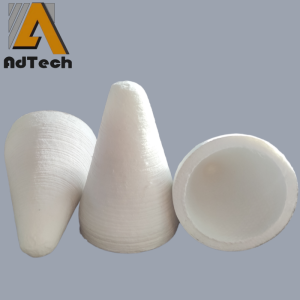
Tap Out Cones are used in aluminum casting systems wherever precise control of molten metal flow is critical.

Typical Applications

  • Tapping molten aluminum from furnaces
  • Transfer to holding furnaces or casting launder systems
  • High-quality billet, rod, and alloy casting operations
  • Continuous casting and batch processing lines

Main Functions

  • Smooth and controlled aluminum flow
  • Prevention of adhesion and slag contamination
  • Improved casting quality and reduced metal loss
  • Reliable performance in repeated casting cycles

Selecting the appropriate Tap Out Cone depends on casting system requirements, molten metal flow, and operational conditions.

1. Alloy Type & Flow Requirements

  • Consider alloy type and melt temperature
  • Choose a cone size and design compatible with the tapping system for precise flow control

2. System Compatibility

  • Ensure the cone fits the furnace or launder interface
  • Confirm vacuum-formed high-alumina fiber cones are compatible with operational pressure and flow rates

3. Maintenance Recommendations

  • Inspect the cone for wear or damage before each tapping cycle
  • Replace if deformation or erosion is observed to maintain flow stability

Tap Out Cones are used in combination with other aluminum melt treatment and transfer equipment to ensure high-quality casting:

  • Holding Launders – Smoothly guide molten aluminum from furnaces
  • Flow Control Devices – Work alongside cones for precise flow regulation
  • Degassing & Refining Systems – Ensure cleaner aluminum before tapping
  • Casting & Rolling Equipment – Supports production of billets, rods, and alloy components

shipping

Global Shipping Available

CUSTOMIZED SERVICE

Get Custom Services with a Free Consultation.
[email protected]
+86 17344611163

BUYING GUIDE

Make Informed Choices with Our Comprehensive Buying Guide

Quality Assurance

Strict Inspection Before Shipment

Related Products

BN Coating
tap out cone
granular flux
Refining-Flux
Scroll to Top
Any Help?