
Aluminum melt treatment is the process of improving molten aluminum quality before casting by removing hydrogen gas, non-metallic inclusions, and impurities. Common methods include degassing, filtration, and flux treatment. For aluminum foundries, proper melt treatment helps reduce casting defects such as porosity, inclusions, and poor surface quality while improving production stability and final product performance.
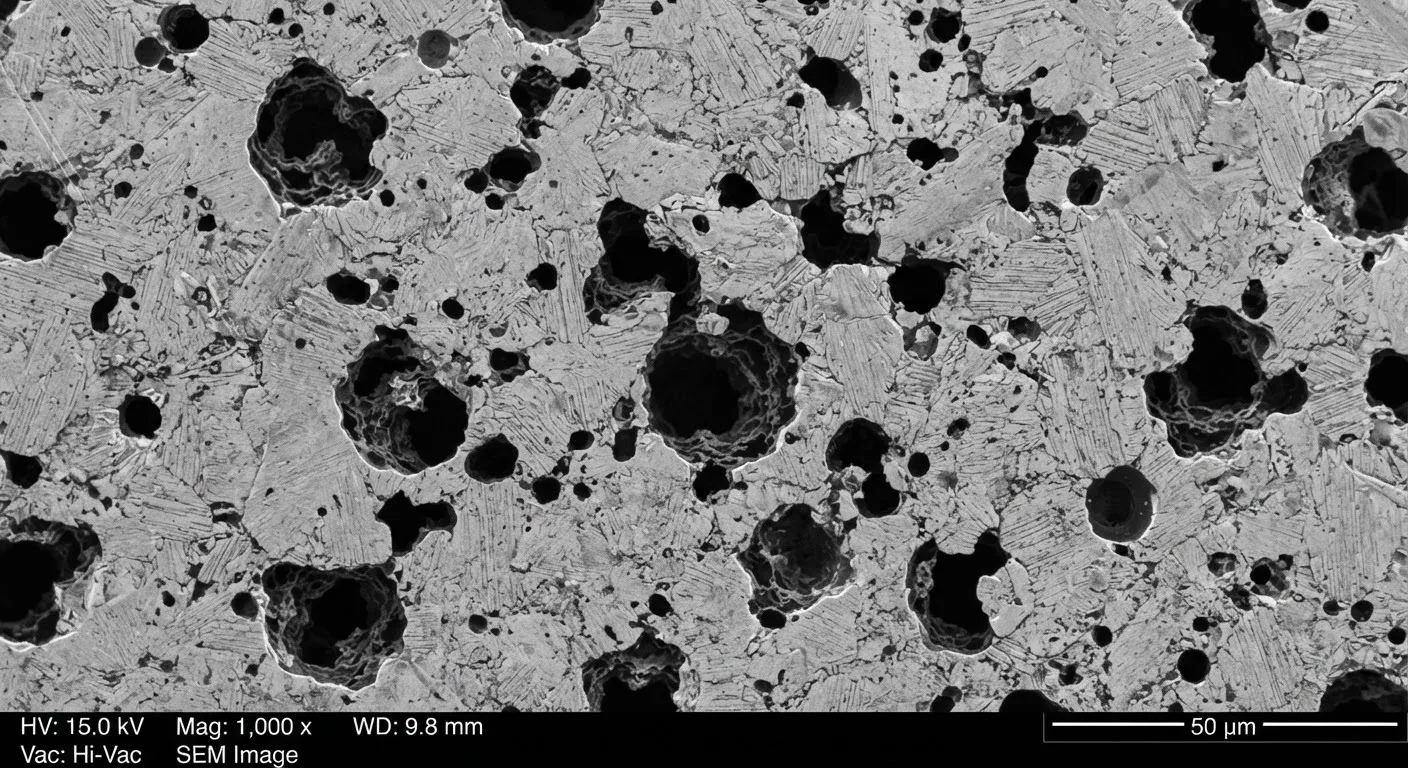
Why Is Aluminum Melt Treatment Important for Aluminum Foundries?
During melting and holding, molten aluminum easily absorbs hydrogen from moisture in the atmosphere and reacts with oxides to form non-metallic inclusions.
If these impurities remain in the melt, they may cause:
- Porosity caused by dissolved hydrogen during solidification
- Oxide inclusions affecting mechanical properties and surface quality
- Reduced productivity due to higher scrap rates
- Unstable casting performance
For aluminum plants, melt treatment is not only about improving product quality. It is also a practical way to reduce material loss and improve production efficiency.
A stable melt treatment process helps manufacturers produce consistent aluminum products with fewer casting problems.
What Processes Are Included in Aluminum Melt Treatment?
Aluminum melt treatment usually includes three main steps:
- Flux treatment
- Degassing
- Filtration
The actual process depends on alloy type, casting method, and product requirements.
1. Flux Treatment: Removing Oxides and Improving Melt Cleanliness
Flux treatment is commonly used during melting or holding to modify the interaction between molten aluminum and impurities.
Aluminum refining flux can help:
- Separate aluminum oxide and slag from molten aluminum
- Reduce metal loss in dross
- Improve melt cleanliness
For example, recycled aluminum often contains higher levels of oxides and impurities, making flux treatment more important compared with primary aluminum production.
However, flux selection should match the alloy and production purpose. Using an unsuitable flux may increase costs or affect melt quality.
2. Degassing: Removing Hydrogen From Molten Aluminum
Hydrogen removal is one of the most important parts of aluminum melt treatment.
Molten aluminum can dissolve hydrogen, but during solidification the hydrogen cannot remain dissolved and forms gas pores inside the casting.
An online degassing equipment is commonly used to remove hydrogen.
The working principle is:
- An inert gas such as nitrogen or argon is injected into molten aluminum.
- A rotating graphite rotor breaks the gas into small bubbles.
- Hydrogen diffuses from the melt into the bubbles.
- The bubbles rise to the surface and remove hydrogen from the aluminum.
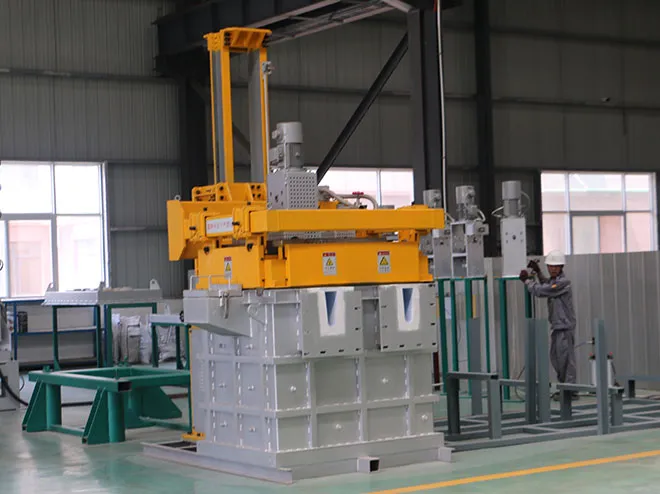
Compared with simple gas bubbling, rotary degassing creates finer bubbles and improves gas-metal contact efficiency.
For aluminum plants producing products with strict internal quality requirements, such as aluminum sheets, billets, or high-end extrusion products, degassing is usually an essential step.
Explore Our Online Degassing Equipment
3. Filtration: Removing Non-Metallic Inclusions
After degassing, molten aluminum is usually filtered before casting.
Ceramic foam filters (CFF) are widely used for aluminum melt filtration because their interconnected pore structure can capture:
- Oxide inclusions
- Slag particles
- Other non-metallic impurities
The filtration process improves:
- Surface quality
- Mechanical properties
- Casting stability
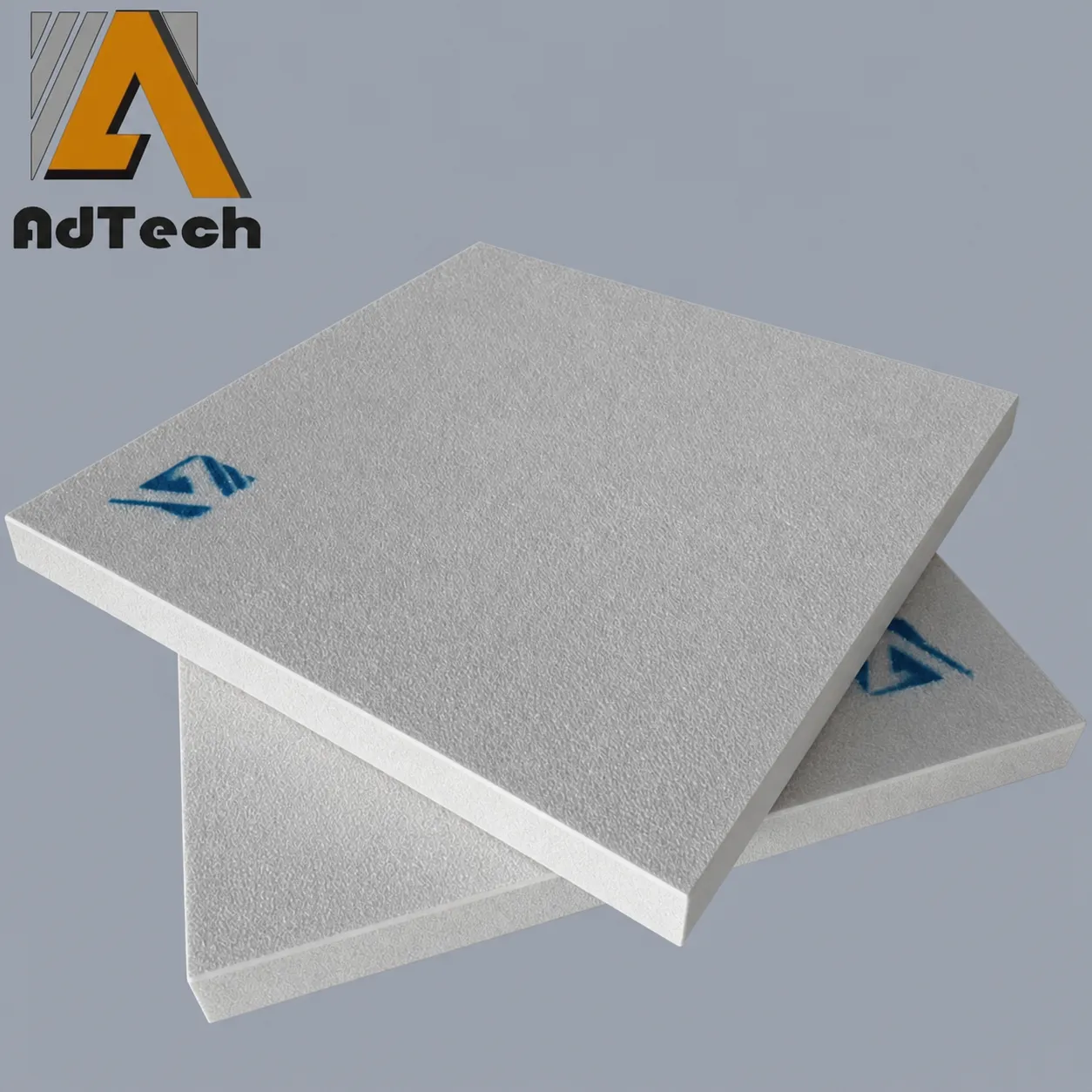
For many aluminum casting lines, filtration is installed directly before the casting process to ensure cleaner metal enters the mold.
Explore Our Ceramic Foam FIlter
How Does Aluminum Melt Treatment Improve Casting Quality?
A good melt treatment process directly affects final product quality.
| Problem | Main Cause | Suitable Treatment |
|---|---|---|
| Porosity | Hydrogen in molten aluminum | Degassing |
| Inclusions | Oxides and impurities | Ceramic foam filtration |
| Excessive dross | Oxidation and impurities | Flux treatment |
| Unstable casting | Poor melt cleanliness | Combined melt treatment |
Different defects require different solutions. For example, ceramic foam filters cannot remove dissolved hydrogen, while degassing cannot effectively remove solid oxide particles.
A complete melt treatment system usually combines several methods.
What Aluminum Melt Treatment Equipment Does a Aluminum Plant Need?
For newly established aluminum plants or producers expanding their casting operations, a practical melt treatment setup may include:
Basic Setup
- Melting furnace
- Holding furnace
- Manual or mechanical flux treatment tools
- Ceramic foam filter unit
Suitable for:
- General aluminum casting
- Standard aluminum products
Advanced Setup
- Rotary degassing equipment
- Automatic flux injection system
- Plate filtration system
- Online filtration system
Suitable for:
- Higher-quality aluminum products
- Continuous casting production
- Products requiring low hydrogen and low inclusion levels
For newly established aluminum plants , you do not always need the most advanced equipment. The key is choosing a melt treatment process based on actual quality requirements and production conditions.
Contact Us for technical consultation
How to Choose the Right Aluminum Melt Treatment Process?
Before selecting equipment, aluminum producers should evaluate:
1. What Aluminum Alloy Are You Producing?
Different aluminum alloys and product applications have different requirements for melt cleanliness and treatment processes.
For example:
- Aluminum foil alloys require extremely clean molten metal to achieve good surface quality and reduce inclusions.
- Extrusion billet alloys require effective hydrogen control to minimize porosity and improve product performance.
- Recycled aluminum alloys usually contain more oxide inclusions and impurities, requiring more effective refining and filtration.
The selected melt treatment solution may also vary depending on the alloy composition and production requirements. Factors such as flux selection, degassing conditions, inert gas consumption, and ceramic foam filter specifications should be considered together to achieve the required metal quality.
Therefore, aluminum producers should evaluate their alloy type, casting process, and final product requirements before selecting melt treatment equipment.
2. What Is Your Production Capacity?
For newly established casting line may only need a suitable filtration and degassing solution.
Large continuous production lines may require:
- Automatic degassing systems
- Online filtration equipment
- Integrated melt treatment systems
The best solution is not always the most expensive one, but the one matching your process.
Aluminum Melt Treatment Process Flow
A typical aluminum melt treatment process:
Melting → Flux Treatment → Holding → Degassing → Filtration → Casting
Each step has a different purpose:
- Flux treatment improves chemical cleanliness
- Degassing reduces hydrogen content
- Filtration removes solid inclusions
Together, they improve molten aluminum quality before casting.
Conclusion
Aluminum melt treatment is a key step for producing cleaner and more stable molten aluminum before casting. By combining suitable methods such as flux treatment, rotary degassing, and ceramic foam filtration, aluminum plants can reduce casting defects, improve product consistency, and lower production losses.
For small and medium aluminum manufacturers, the best approach is to first identify the main quality problems and then select the right melt treatment solution based on alloy type, casting process, and production requirements.
FAQ
1. What Is Aluminum Melt Treatment and Why Is It Important?
Aluminum melt treatment is the process of improving molten aluminum quality before casting by removing hydrogen, oxide inclusions, and other impurities. It is important because cleaner molten aluminum helps reduce casting defects, improve mechanical properties, and achieve more stable production performance.
2. What Processes Are Included in Aluminum Melt Treatment?
Aluminum melt treatment typically includes flux treatment, degassing, and filtration. Flux treatment helps remove slag and improve melt cleanliness, degassing removes dissolved hydrogen from molten aluminum, and filtration removes non-metallic inclusions before casting.
3. How Does Aluminum Degassing Remove Hydrogen?
During rotary degassing, inert gas such as nitrogen or argon is injected into molten aluminum through a rotating graphite rotor. The rotor breaks the gas into fine bubbles, allowing dissolved hydrogen to transfer into the bubbles and be removed from the melt when they rise to the surface.
4. What Is the Difference Between Aluminum Degassing and Filtration?
Aluminum degassing and filtration remove different types of impurities. Degassing mainly removes dissolved hydrogen that can cause porosity, while filtration removes solid inclusions such as oxide particles and slag. Both processes are often used together to improve molten aluminum quality.
5. Which Inert Gas Is Used for Aluminum Degassing?
Nitrogen and argon are commonly used for aluminum degassing. The suitable gas choice depends on production requirements, alloy type, hydrogen control targets, and operating costs. Many aluminum plants select nitrogen for general applications and argon for processes requiring stricter melt quality control.
6. Does Every Aluminum Plant Need a Degassing System?
Not every aluminum producer requires the same level of degassing equipment. The need depends on alloy type, casting process, product quality requirements, and allowable hydrogen levels. Products with strict internal quality requirements usually require more effective degassing treatment.
7. How Do Ceramic Foam Filters Improve Aluminum Melt Quality?
Ceramic foam filters improve molten aluminum cleanliness by capturing non-metallic inclusions such as oxides and slag particles. They help reduce casting defects, improve surface quality, and provide more stable casting performance.
8. How Do I Choose the Right Aluminum Melt Treatment Solution?
The right melt treatment solution depends on several factors, including alloy type, casting method, production capacity, product quality requirements, and existing process conditions. Parameters such as flux type, degassing conditions, and ceramic foam filter specifications should be selected according to the actual production situation.
9. Can Aluminum Melt Treatment Reduce Casting Defects?
Yes. Proper aluminum melt treatment can significantly reduce common casting defects related to melt quality, including hydrogen porosity, oxide inclusions, and surface defects. However, other factors such as casting temperature, cooling conditions, and process control also affect final casting quality.
10. What Equipment Is Commonly Used for Aluminum Melt Treatment?
Common aluminum melt treatment equipment includes rotary degassing systems, ceramic foam filter units, filtration boxes, and flux injection systems. The equipment combination depends on the aluminum producer’s process requirements and final product quality standards.

Senior Process Engineer specializing in aluminum melt purification and process optimization.
Focused on aluminum casting technologies, molten metal treatment, and quality improvement solutions, sharing practical insights into improving casting performance and production efficiency.