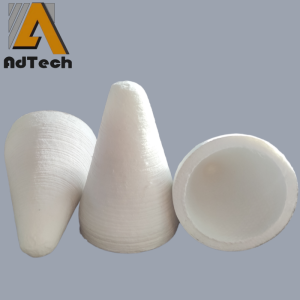
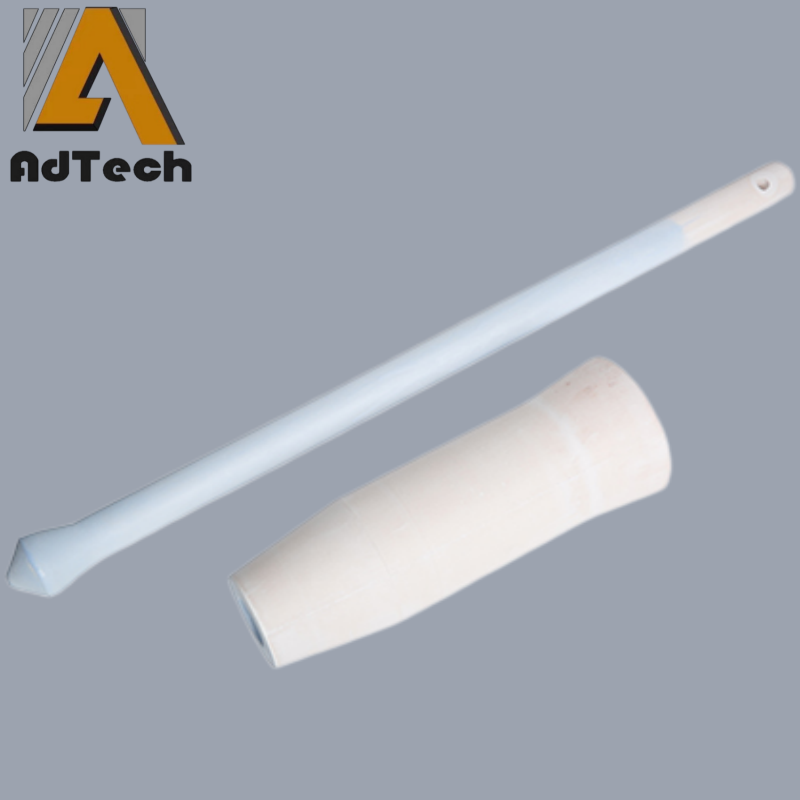
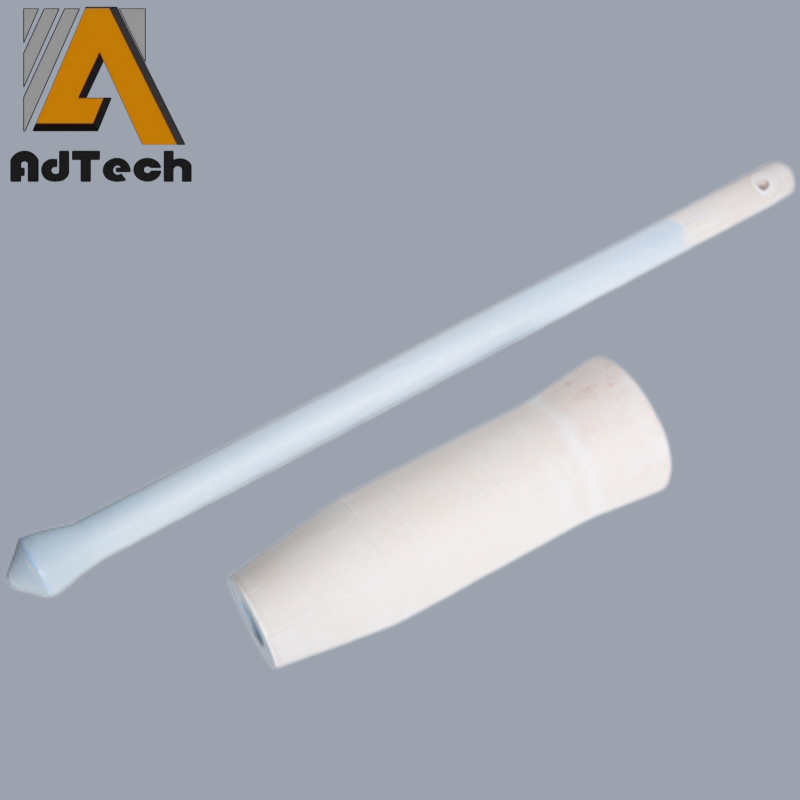
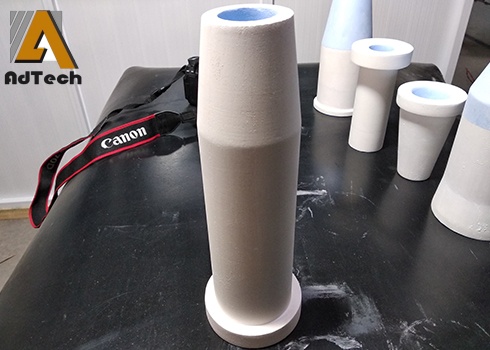
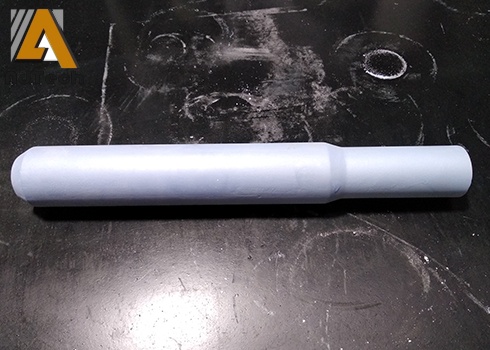
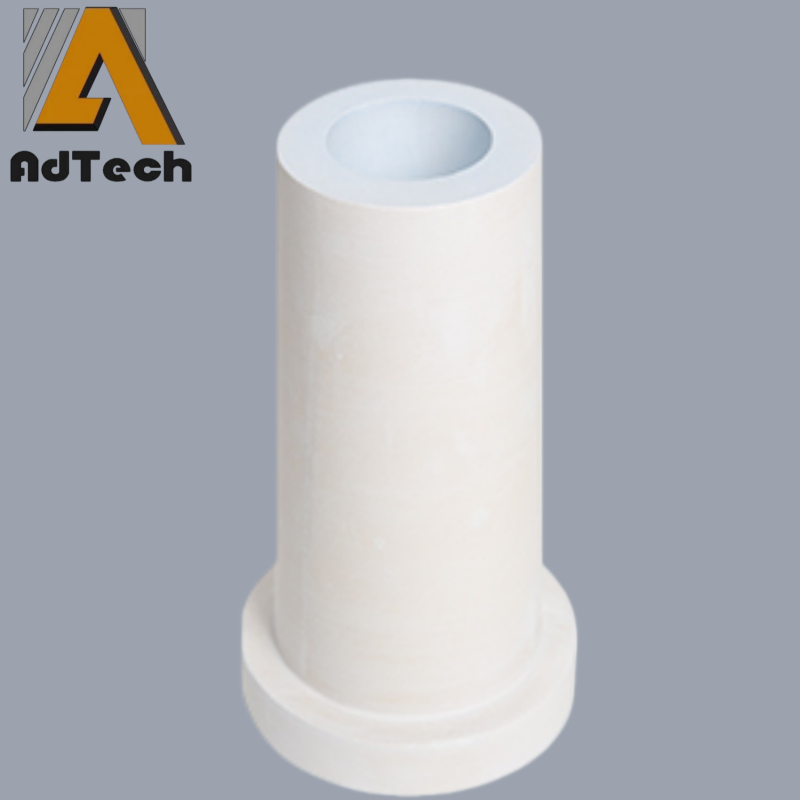
Flow Control Bar and Flow Control Tube are refractory flow-regulating components used in aluminum molten metal transfer systems, especially in low-pressure casting lines. They are installed in the metal delivery channel to precisely control the velocity, direction, and stability of molten aluminum flow before it enters the casting mold.
During operation, the Flow Control Bar works as a regulating element to adjust flow resistance, while the Flow Control Tube acts as a guided passage to stabilize molten aluminum transport. Together, they ensure a controlled and continuous metal flow, reducing turbulence and oxidation during transfer.
These components are widely used in aluminum alloy wire rod casting, slab ingot production, and cast-rolled coil manufacturing where stable molten aluminum delivery is critical to final product quality.
Key Features
Precise molten aluminum flow control
High resistance to erosion and thermal shock
Stable operation under continuous casting conditions
Smooth inner surface to reduce flow disturbance
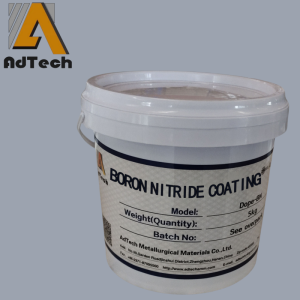
Compatible use with BN coating system
Easy integration into existing transfer equipment
No contamination to molten aluminum
Product Advantages
Excellent Erosion Resistance
Manufactured from high fused silica refractory materials, both Flow Control Bar and Flow Control Tube maintain structural stability under long-term contact with molten aluminum. The surface resists erosion, cracking, and spalling even under high-temperature flow conditions.
This ensures:
Long service life under repeated casting cycles
Stable geometry during operation
No contamination of molten aluminum
Stable Flow Regulation Performance
The system effectively controls molten aluminum flow behavior inside the transfer channel, reducing turbulence and oxidation caused by uncontrolled metal movement.
This results in:
More stable casting flow
Reduced inclusion formation
Improved consistency of final cast products
Extended Service Life with BN Coating
When used together with BN coating, the surface protection performance is significantly improved, reducing adhesion of molten aluminum and extending service life to approximately 50–100 casting cycles under normal operating conditions.
Energy Saving & Process Efficiency
By stabilizing molten aluminum transfer, the system reduces re-oxidation losses and improves flow efficiency, contributing to lower energy consumption and improved overall casting productivity.