PHF – Phosphorus Free CFF

PHF – Phosphorus Free CFF

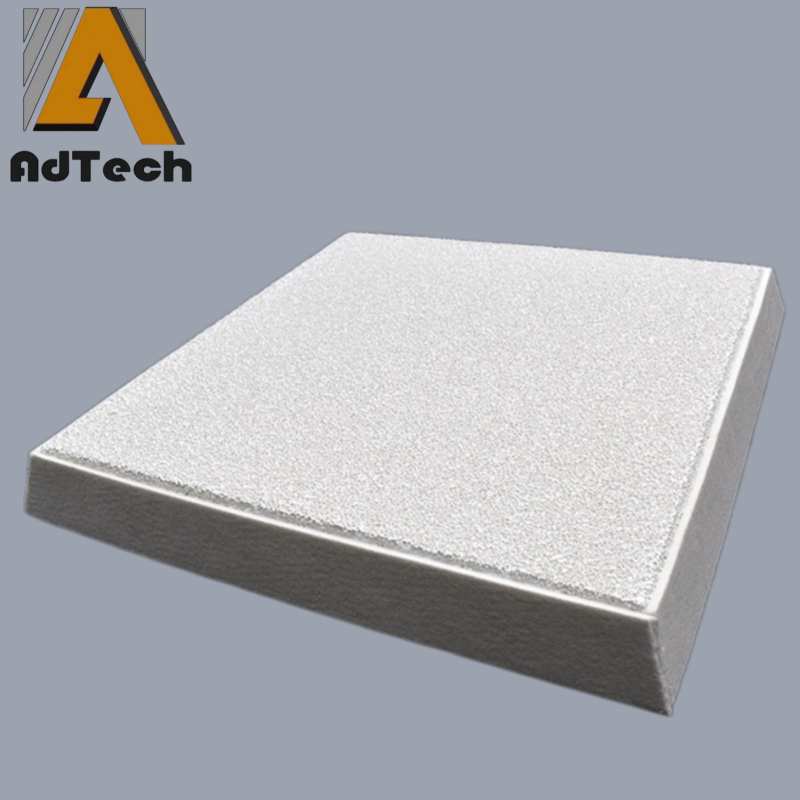
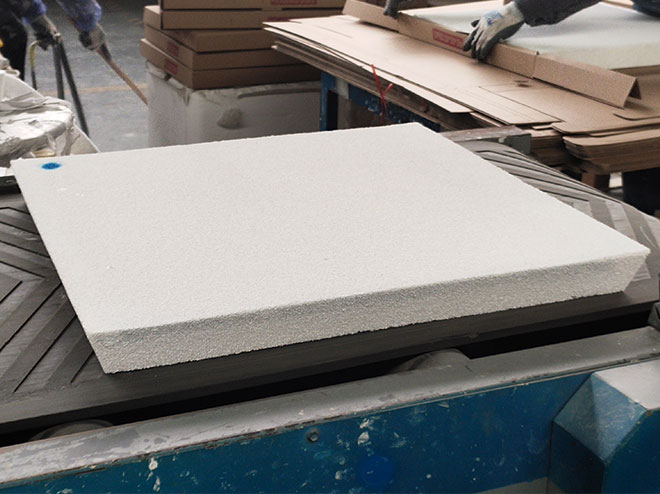
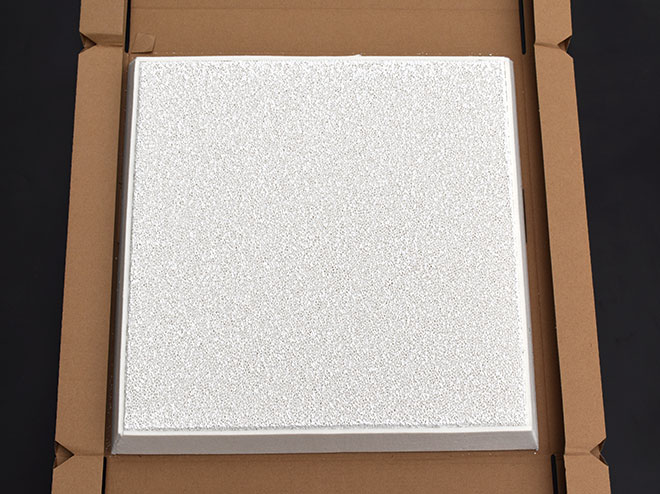
PHF – Phosphorus Free Ceramic Foam Filter is specially designed for molten aluminum filtration applications where phosphorus contamination must be strictly controlled. Compared with conventional ceramic foam filters, PHF filters do not contain phosphorus-based additives, making them more suitable for high-quality aluminum alloy production and sensitive downstream processing applications.

The filter effectively removes oxide films, slag particles, refractory debris, and other non-metallic inclusions from molten aluminum while helping maintain stable melt flow during casting.

PHF ceramic foam filters are widely used in aluminum casting lines requiring cleaner metal, improved surface quality, and reduced risk of phosphorus-related contamination.

Scroll down for more information

Share:

PHF – Phosphorus Free Ceramic Foam Filter is specially designed for molten aluminum filtration applications where phosphorus contamination must be strictly controlled. Compared with conventional ceramic foam filters, PHF filters do not contain phosphorus-based additives, making them more suitable for high-quality aluminum alloy production and sensitive downstream processing applications.

The filter effectively removes oxide films, slag particles, refractory debris, and other non-metallic inclusions from molten aluminum while helping maintain stable melt flow during casting.

PHF ceramic foam filters are widely used in aluminum casting lines requiring cleaner metal, improved surface quality, and reduced risk of phosphorus-related contamination.

Why Use Phosphorus-Free Ceramic Foam Filters?

In certain aluminum alloy applications, phosphorus contamination may negatively affect:

  • Electrical conductivity
  • Surface treatment performance
  • Foil and sheet quality
  • Downstream processing stability
  • High-purity alloy requirements

PHF filters help reduce these risks while maintaining reliable molten aluminum filtration performance.

Key Features

  • Phosphorus-free formulation
  • Effective removal of non-metallic inclusions
  • Stable molten aluminum flow
  • Reduced turbulence during filtration
  • Improved casting surface quality
  • Compatible with standard filter box systems
  • Suitable for high-quality alloy applications

Expanding Fiber Edge for Better Sealing

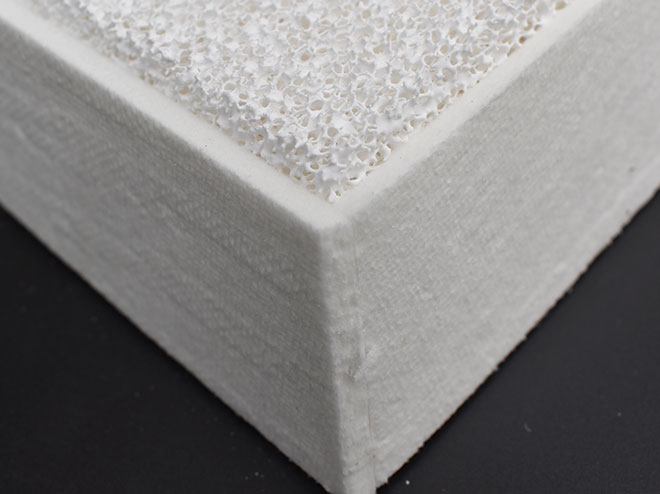
The filter adopts an expanding fiber edge design to improve sealing reliability between the ceramic foam filter and the filter box.

During preheating, the fiber edge expands slightly to reduce small gaps around the filter seat, helping minimize molten aluminum bypass and improve filtration efficiency.

Benefits include:

  • Better sealing performance
  • More stable filtration
  • Reduced side leakage
  • Improved casting consistency

Available PPI Options

PHF ceramic foam filters are available in multiple pore densities:

  • 10 PPI / 20 PPI – larger flow rate applications
  • 30 PPI – standard filtration applications
  • 40 PPI / 50 PPI / 60 PPI – finer filtration and higher cleanliness requirements

Standard Sizes

Common sizes include:

  • 7″ × 7″
  • 9″ × 9″
  • 12″ × 12″
  • 15″ × 15″
  • 17″ × 17″
  • 20″ × 20″
  • 23″ × 23″
  • 26″ × 26″

Standard thickness: 50 mm

Customized dimensions and special edge structures are available according to filter box requirements.

Why Buyers Choose PHF Ceramic Foam Filters

Phosphorus-Free Composition

Suitable for aluminum alloy production processes where phosphorus contamination control is important.

Stable Pore Structure

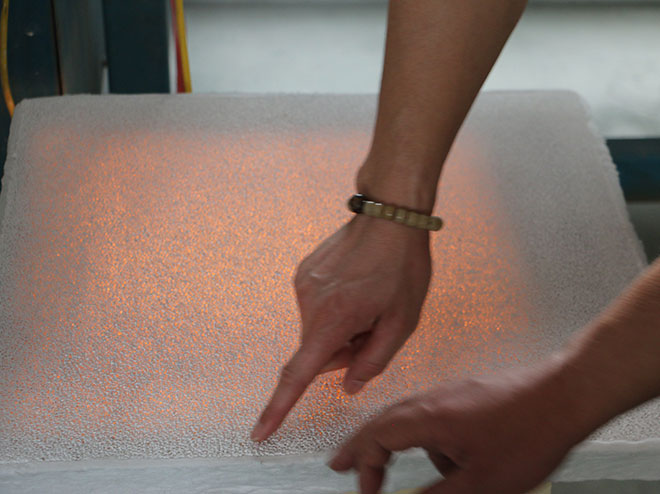
Uniform pore distribution helps maintain stable filtration performance during continuous casting operations.

High Production Consistency

Automated production lines help improve dimensional stability and batch consistency.

High Dimensional Accuracy

Dimensional tolerance is controlled within ±1–2 mm for reliable sealing and better filter box matching.

Good Thermal Shock Resistance

Designed for molten aluminum filtration conditions with proper preheating procedures.

Custom Technical Support

Technical recommendations can be provided based on alloy type, casting process, filtration target, and casting speed.
Applications

PHF – Phosphorus Free Ceramic Foam Filters are widely used in molten aluminum treatment processes requiring strict metal cleanliness and phosphorus contamination control.

Typical Applications

  • High-purity aluminum alloy casting
  • Aluminum foil production
  • Battery foil applications
  • Electronic aluminum materials
  • Automotive aluminum alloys
  • Precision aluminum casting
  • Aluminum billet casting
  • Rolling slab casting
  • High-quality wrought alloy production

Suitable Industries

  • Electronics industry
  • Automotive industry
  • Rail transit materials
  • Packaging aluminum applications
  • Photovoltaic aluminum materials
  • High-end industrial profiles
  • Aerospace-related aluminum materials

Typical Casting Processes

  • Billet casting
  • Ingot casting
  • Slab casting
  • Gravity casting
  • Low-pressure casting
  • Recycled aluminum melt treatment

For complete molten aluminum treatment systems, PHF filters are commonly used together with online degassing units, filter box systems, launders, and refractory insulation materials.

Choosing the correct PHF filter depends on filtration precision requirements, alloy type, and casting process conditions.

1. Alloy Type

High-purity and sensitive aluminum alloys usually require stricter phosphorus contamination control and finer filtration precision.

2. Required Metal Cleanliness

For applications requiring:

  • Better surface finish
  • Lower inclusion content
  • Improved conductivity
  • Reduced downstream defects

Higher PPI filtration is generally recommended.

3. Molten Aluminum Flow Rate

Higher flow rates normally require:

  • Larger filtration area
  • Lower PPI structure

to maintain stable melt flow.

4. Filter Box Matching

The filter dimensions and sealing structure should match the filtration chamber to reduce molten aluminum bypass.

Simple PPI Selection Guide

  • General casting applications: 20–30 PPI
  • Billet and slab casting: 20–30 PPI
  • High-quality foil and sheet applications: 30–50 PPI
  • Fine filtration requirements: 50–60 PPI

If you are unsure which specification is suitable, our technical team can recommend an appropriate solution according to your production conditions.

Installation Recommendations

For optimal filtration performance:

  • Preheat the filter before use
  • Ensure proper sealing around the filter edge
  • Avoid direct molten metal impact
  • Maintain stable pouring conditions
  • Replace filters according to melt cleanliness and production volume

Proper installation directly affects filtration efficiency and final casting quality.

Supporting Equipment

PHF ceramic foam filters are commonly used together with supporting molten aluminum treatment equipment for improved filtration performance and casting stability.

Filter Box System

Provides reliable filter positioning, stable molten aluminum flow, and effective sealing support.

Online Degassing Unit

Helps remove hydrogen and reduce gas porosity before filtration.

Launder System

Refractory launders help reduce temperature loss and secondary oxidation during molten aluminum transfer.

Electric Heating Filter Box

Maintains stable molten aluminum temperature during filtration and improves process consistency.

Refractory Materials

Supporting refractory products such as ceramic fiber insulation materials and hot-top casting accessories help improve thermal efficiency and casting stability.

Integrated molten aluminum treatment solutions can be recommended according to your casting process and production requirements.

shipping

Global Shipping Available

CUSTOMIZED SERVICE

Get Custom Services with a Free Consultation.
[email protected]
+86 17344611163

BUYING GUIDE

Make Informed Choices with Our Comprehensive Buying Guide

Quality Assurance

Strict Inspection Before Shipment

Related Products

BN Coating
tap out cone
granular flux
Refining-Flux
Scroll to Top
Any Help?