Molten Aluminum Transition Plate
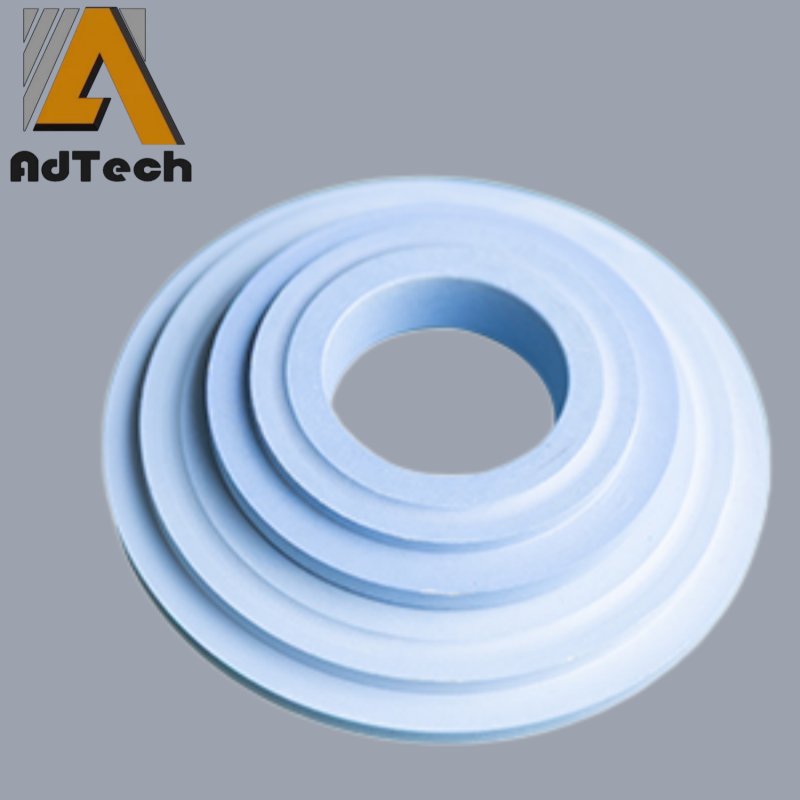
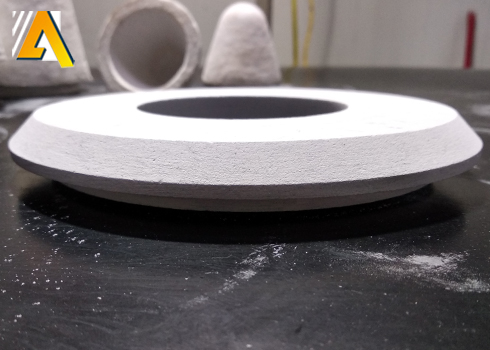
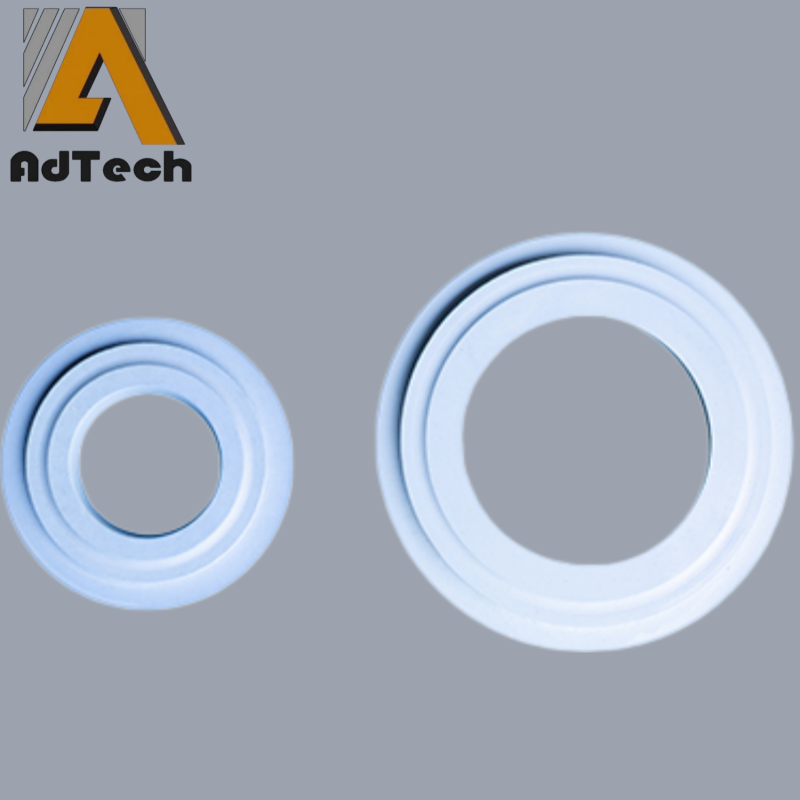
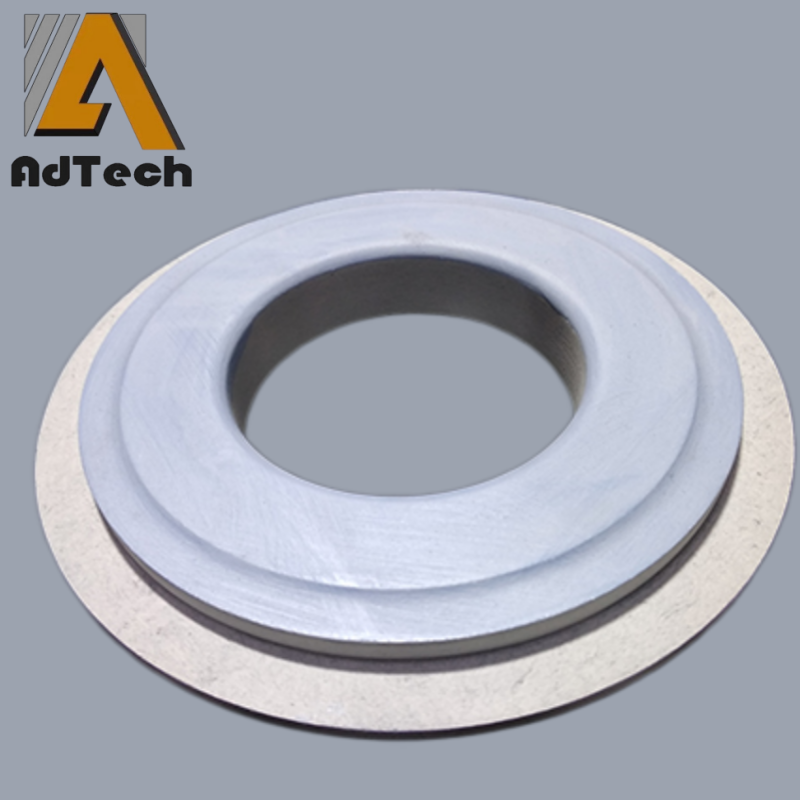
The Molten Aluminum Transition Plate is a circular refractory component used in aluminum hot-top casting systems and direct chill (DC) casting applications. Installed between the molten aluminum distribution system and the casting mold, it provides a stable transition area for metal flow and helps maintain uniform aluminum distribution during the casting process.
Manufactured with high-performance refractory materials, the transition plate is designed for continuous contact with molten aluminum and repeated thermal cycling. Its multi-layer structure provides excellent thermal insulation, dimensional stability, and resistance to molten aluminum corrosion, helping improve casting consistency and billet quality.
Product Advantages
Stable Molten Aluminum Distribution
The circular transition plate creates a smooth and controlled passage for molten aluminum entering the mold area. It helps reduce flow fluctuations, minimize turbulence, and support a more stable casting process.
Improved Thermal Control
The multi-layer refractory structure helps reduce heat loss and maintain a more uniform temperature distribution around the casting area. This contributes to stable solidification conditions and improved surface quality of aluminum billets or slabs.
Excellent Resistance to Molten Aluminum
Made from specially selected refractory materials, the transition plate offers strong resistance to molten aluminum penetration, erosion, and chemical attack. This ensures reliable performance during long continuous casting operations.
High Dimensional Accuracy
Precision manufacturing ensures accurate fitting with the hot-top casting system and other casting components. Proper dimensional control helps maintain consistent metal flow and reduces operational instability caused by component mismatch.
Long Service Life
The combination of thermal shock resistance, corrosion resistance, and structural stability allows the transition plate to withstand repeated heating and cooling cycles, reducing replacement frequency and maintenance requirements.
Material Selection
Material Application Scope
Aluminum Silica Standard aluminum casting applications
High Fused Silica New140 Specialized casting applications requiring improved thermal stability
N17 High-performance casting applications with demanding service conditions
Product Dimensions And Specifications
Custom transition plate dimensions are available according to casting system design, alloy diameter, and hot-top mold requirements.